
Image 1 of 5
Image 2 of 5
Image 3 of 5
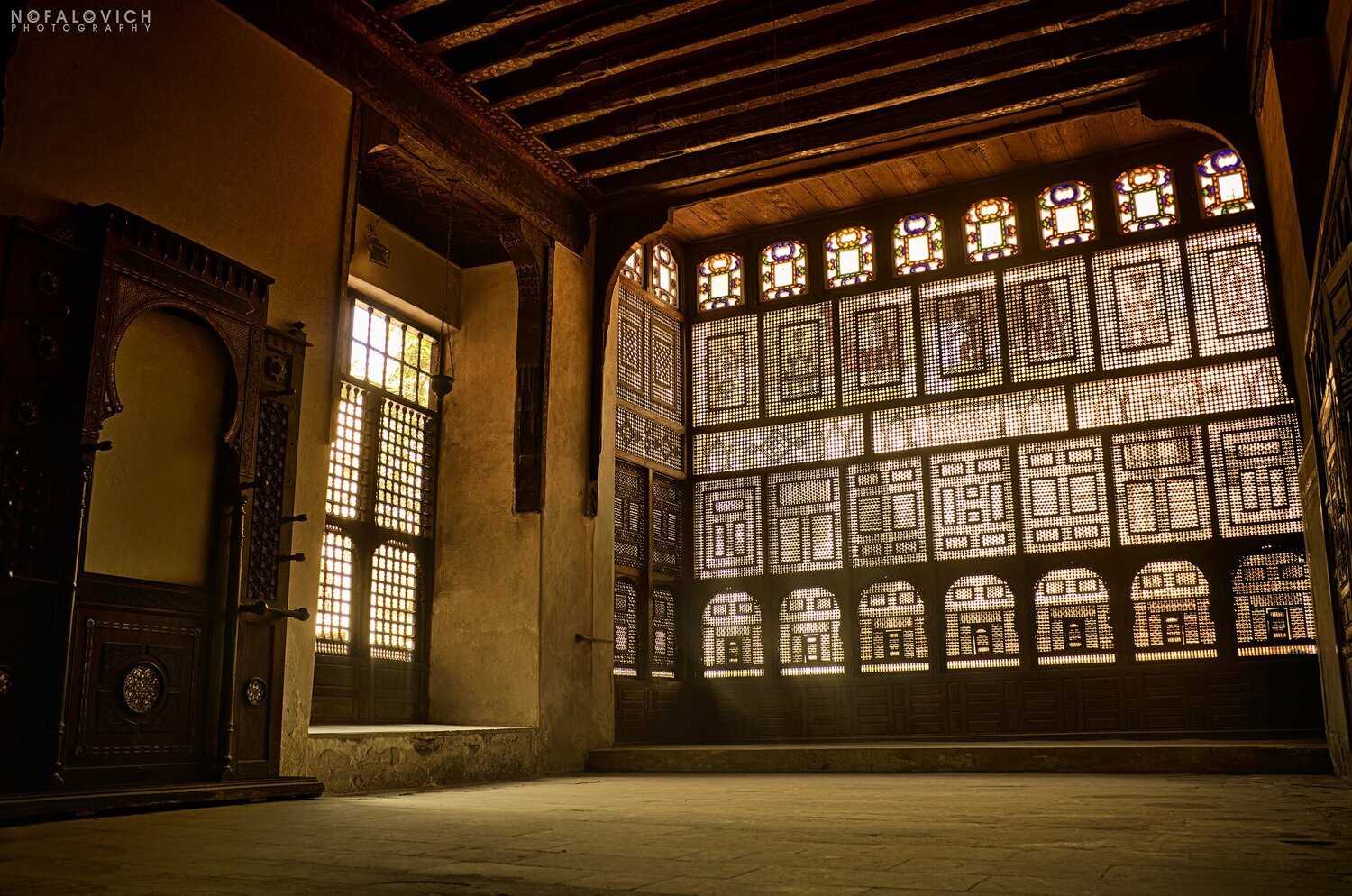
Image 4 of 5
Image 5 of 5
Islamic Cairo
Islamic Cairo holds a significant place in Islam as Egypt was the only country mentioned in the Quran and Old Cairo was the capital of several Islamic empires throughout history. We'll pick you up from your hotel with a guide that will show you the magnificent mosques, phenomenal palaces, heavenly houses of notable figures, and the hidden gems that most people overlook. In between your incredible experience, we'll serve you a delicious lunch at a local restaurant. After you've been enchanted by Islamic Cairo, we'll take you back to your hotel.
Included in this experience:
A private car that will pick you up and drop you off at your hotel.
Lunch will be provided (excluding drinks).
Entrance fees will be covered.
Tour Guide & Expert Egyptologist (Available languages: English, French, Italian, Spanish, Portuguese, Russian & German).
Attractions included in this Day Experience:
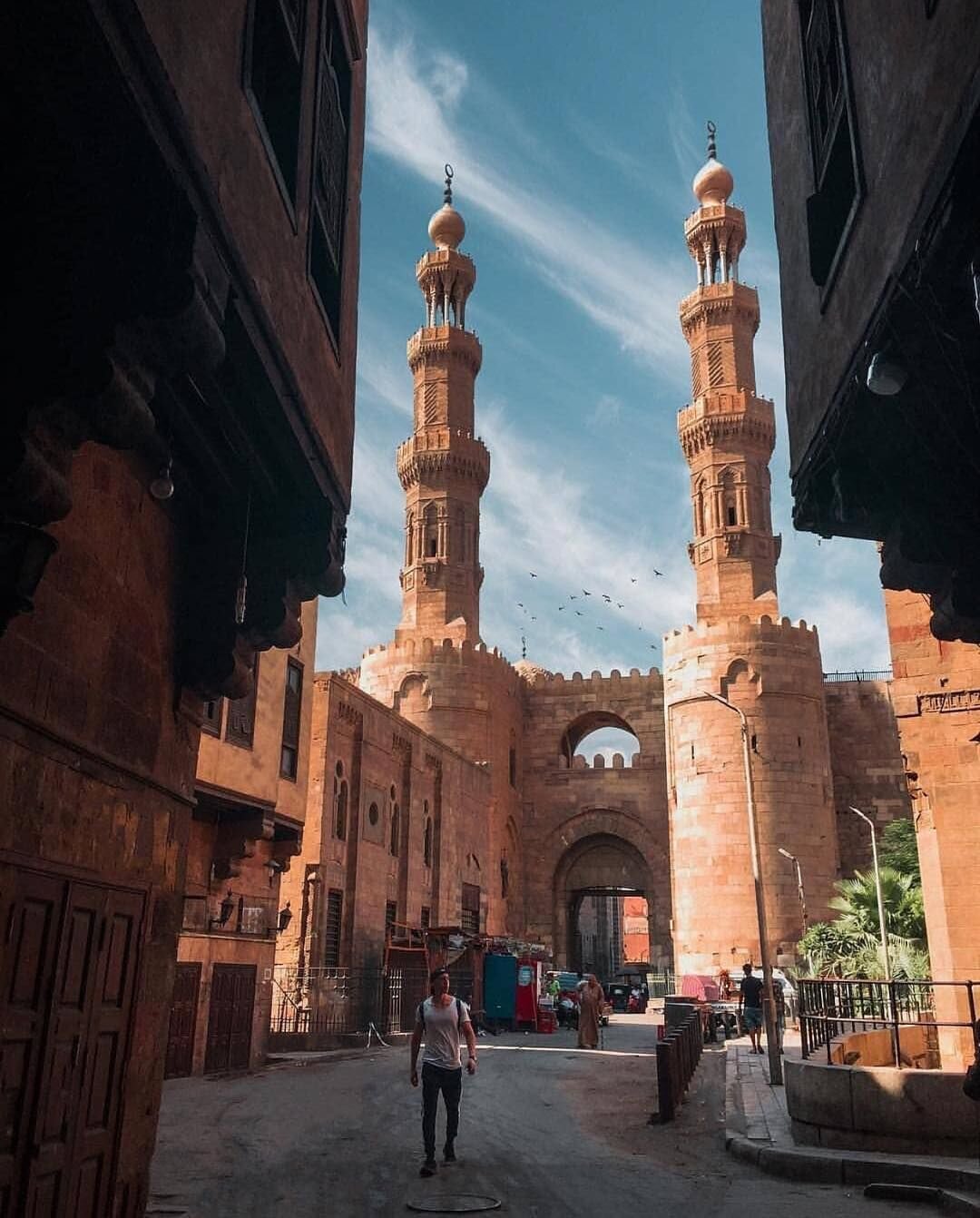
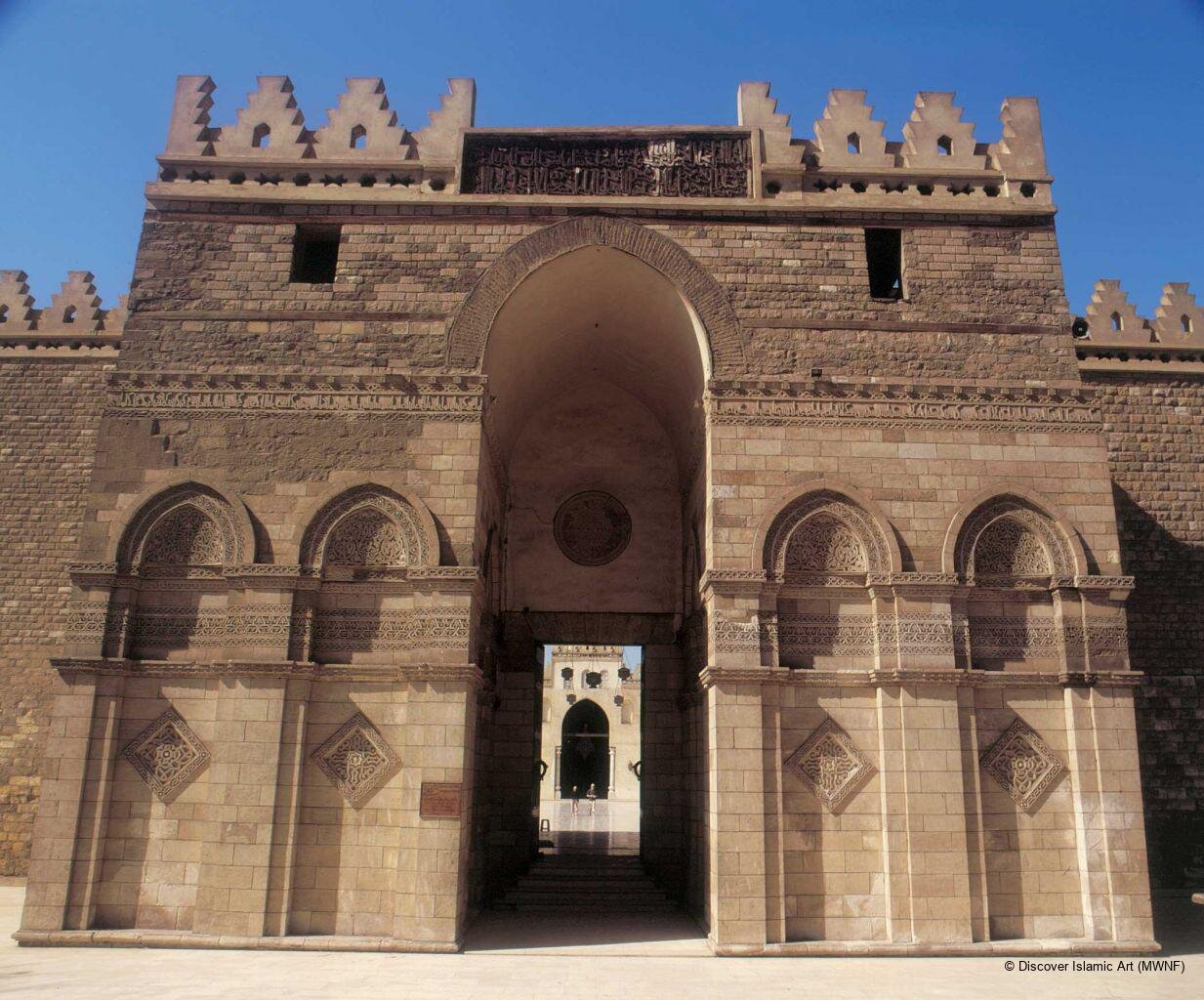
Built in 1412 CE the Sultan al-Mu'ayyad Mosque and its protecting gate Bab Zuweila reflect an inspiring story of Sultan Al- Mu’yyad. Mu’yyad was previously imprisoned and tortured by the previous Sultan in the same place where the mosque is currently located. He vowed that when he was free that he would turn this place into a place of worship. Just as he vowed, when he was freed, he overthrew the previous Sultan and kept to his word, creating a beautiful mosque with twin minarets that offer a unique photo opportunity. Bab Zuweila, which is the protecting southern gate, offers beautiful pharaonic inscriptions recycled from old temples and can be climbed all the way to the top where a beautiful view of Islamic Cairo can be seen.
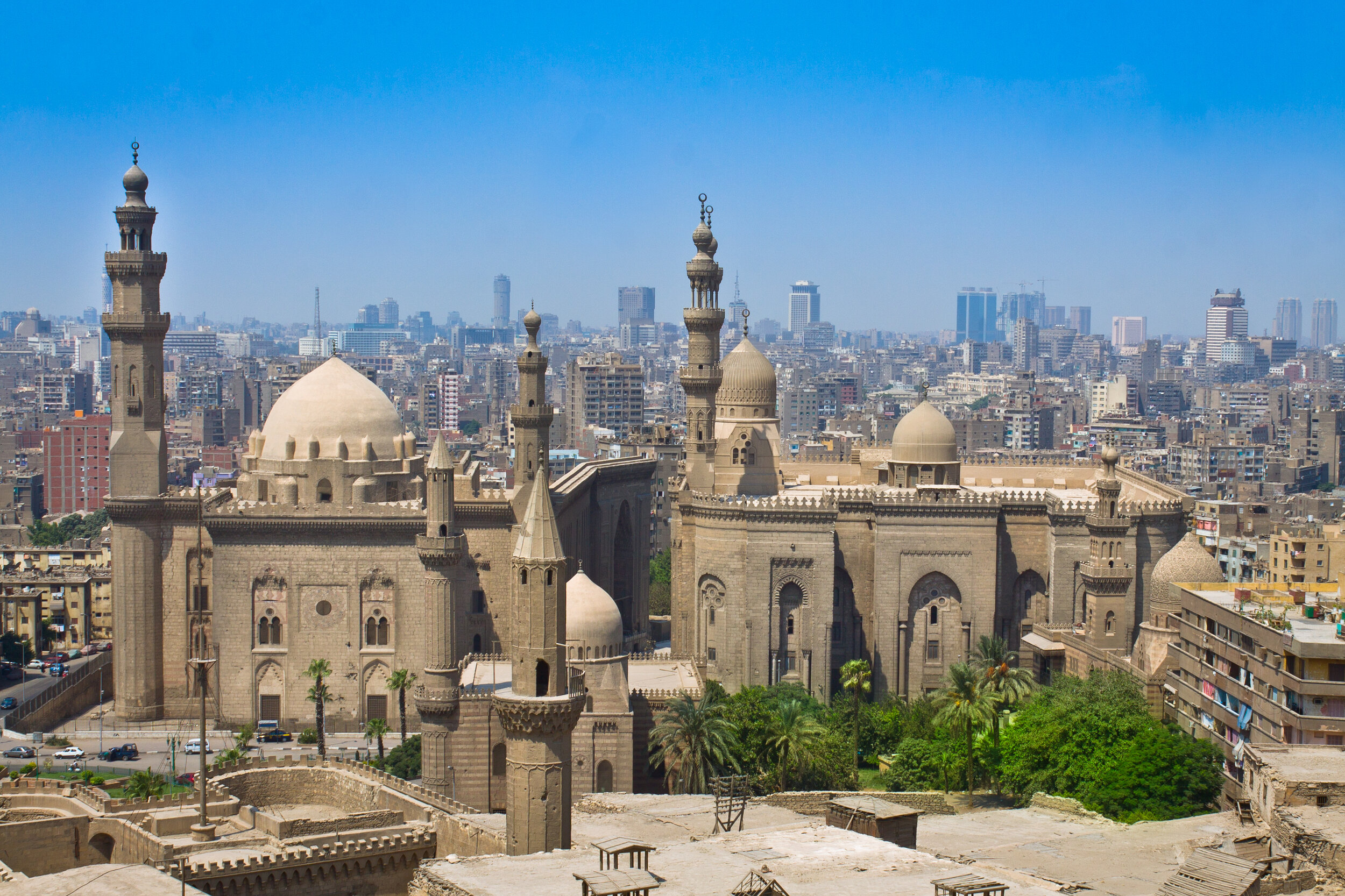
Built in 1365 AD the Sultan Hasan Mosque was well known for its beautiful design and large imposing figure back when it was built. The mosque was built as a madrasa style mosque for teaching and has a large liwan (teaching area) as well as a beautiful mausoleum featuring an impressive dome and is beautifully decorated. The mosque is noted as the most stylistically coherent of any of Cairo’s monumental mosques.
Built between 876 and 879 AD the Ibn Tulun Mosque is the oldest mosque built in the city and the largest mosque in terms of land area with 2.5 hectares of land space to keep the city a distance away from the sacred land. This mosque had a unique feature of an exterior wall to create a sense of serenity and sacredness when entered. Eventually houses were built within the walls and later demolished all except for Gayer Anderson house. Gayer Anderson was an orientalist and collector, filling his house with art, furniture, and carpets. When he left Egypt in 1942, he left his house and its contents to the Egyptian government where his house was preserved and turned into a museum. This house is regarded as the best-preserved example of 17th century Cairene architecture and was even used for filming part of a James Bond film, “The Spy Who Loved Me.”
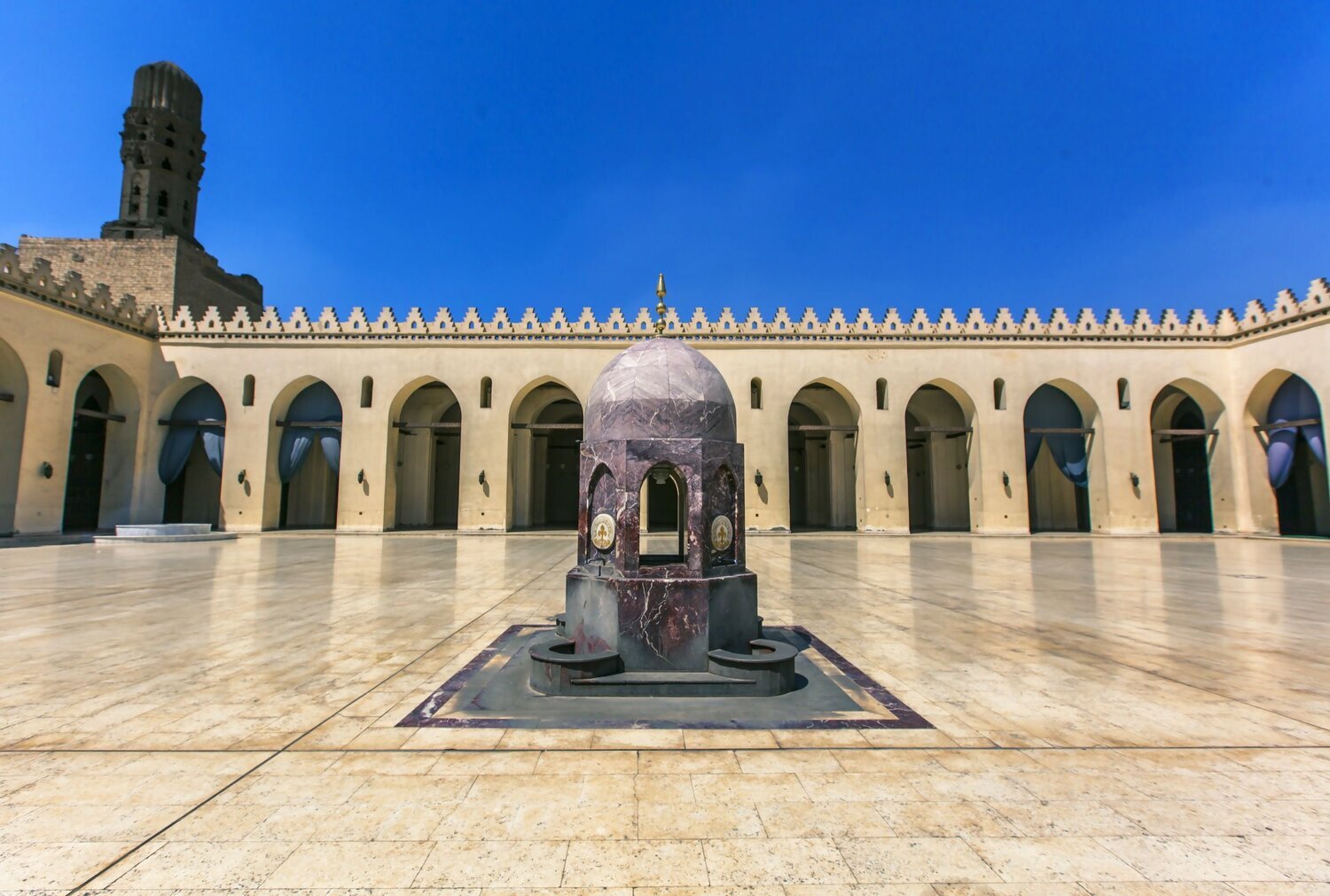
Constructed over 1,000 years ago, the Mosque of Al-Hakim, also known as, “the illuminated” was created during the Fatimid dynasty. Situated in Islamic Cairo, on the east side of Muizz Street, it is the fourth oldest mosque in Cairo but contains the oldest surviving minaret in Cairo. It was built by the ruler Al-Hakim bi_Amr Allah, “the ruler appointed by God,” who was notorious for his eccentric rule where he’d make up laws to benefit his political agenda and food cravings, using God’s decision as his reasoning. His personality can be seen in the architecture of the mosque with its distinct features and its grandiosity in size, making it the second largest mosque in Cairo. The mosque has a long and intriguing history, including its role as a barracks during the French campaign, when its minarets were utilized as watchtowers.
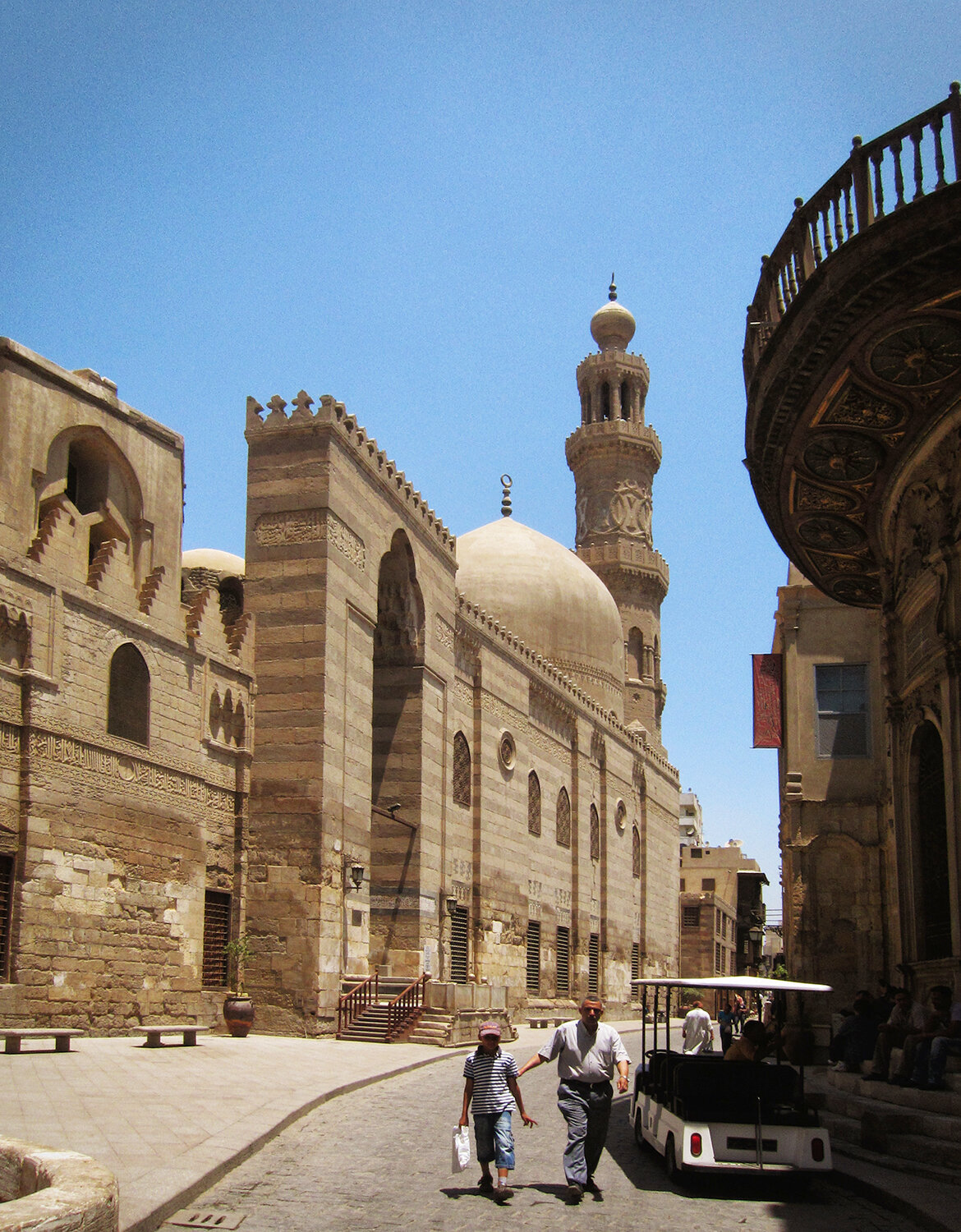
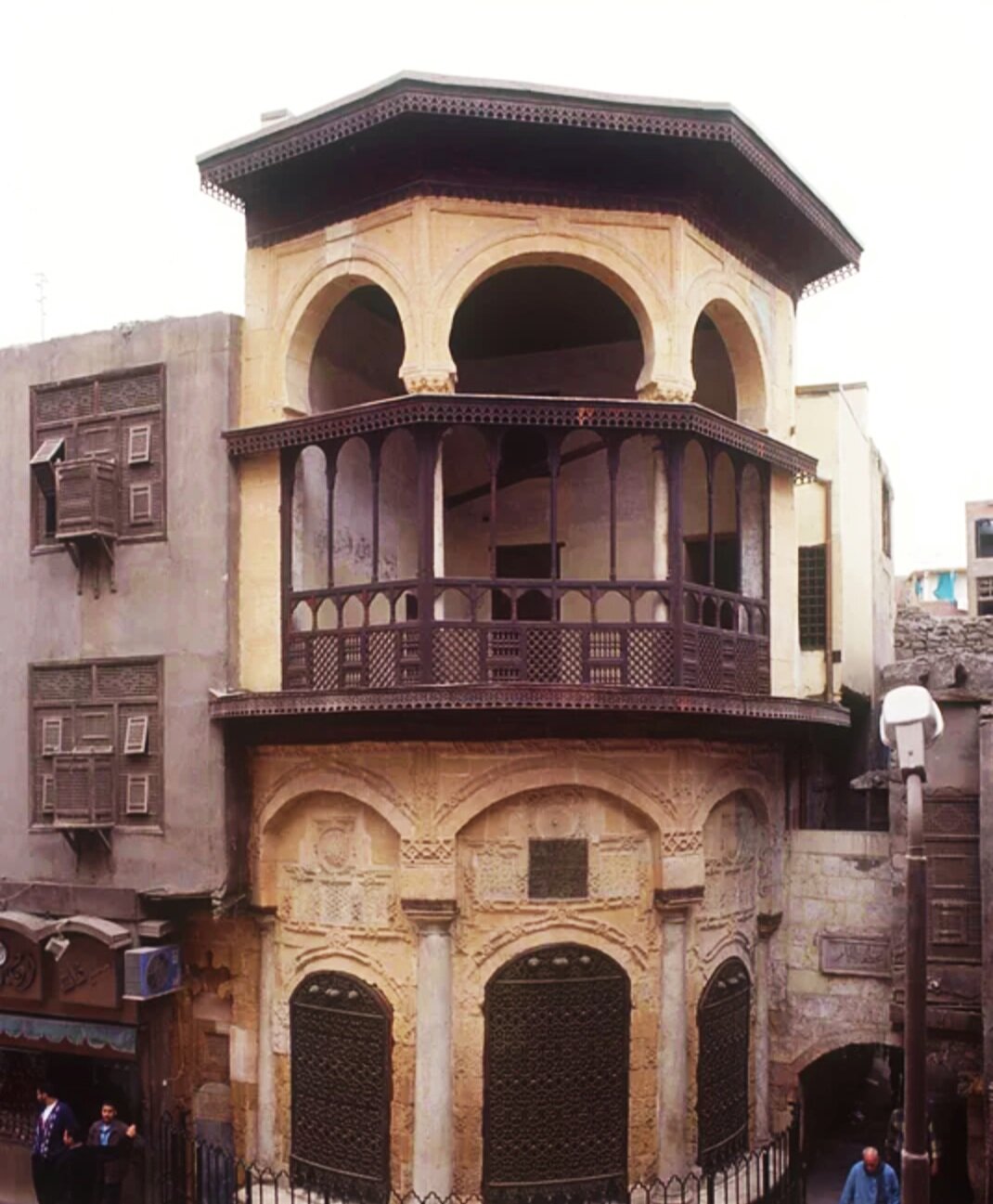
A hidden and overlooked gem in the middle of the busy Sugar Street in Old Cairo is this Ottoman building that dates back to 1796. It was built by a lady popularly known as "The White Jewel" who began her life as a slave but married a man who would become the first Mamluk ruler, she'd rise to power and partake in the resistance against Napoleon's invasion of Egypt. She was known for her acts of charity and her building, of a type unique to Cairo, originally housed charities offering free elementary education and drinking water, the water supply system remains an interest to architects. This building includes a permanent exhibition includes displays that harmonise with the historic interiors.
Populary referred to as the Golden House, because it belonged to the chief of the gold merchants in Cairo during the 17th century. This luxurious mansion is a charming example of marvelous Mamluk architecture. The highlights of this medieval house is the central fountain and the finely decorated door that remain in its original condition. This is a hidden gem, it doesn't attract much attention because its exterior appearance is average, but once you walk inside you will be blown away by its rich interiors.
This historic palace and museum, built by a Mamluk ruler in the 14th century remains remains nearly complete in its original form. The palace is a beautiful example of Islamic architecture, but is unique in its structure with its window screens and stained-glass windows gilded with painted wood panels. The most impressive surviving part of the palace is the large qa'a or reception hall. The hall features a coffered wooden ceiling, stucco windows of coloured glass, and a fountain of inlaid marble in the centre. This palace is also home to the Arab Singing House, one of Cairo's creativity centers that has preserved and revived the Egyptian musical heritage.
Learn more about this place
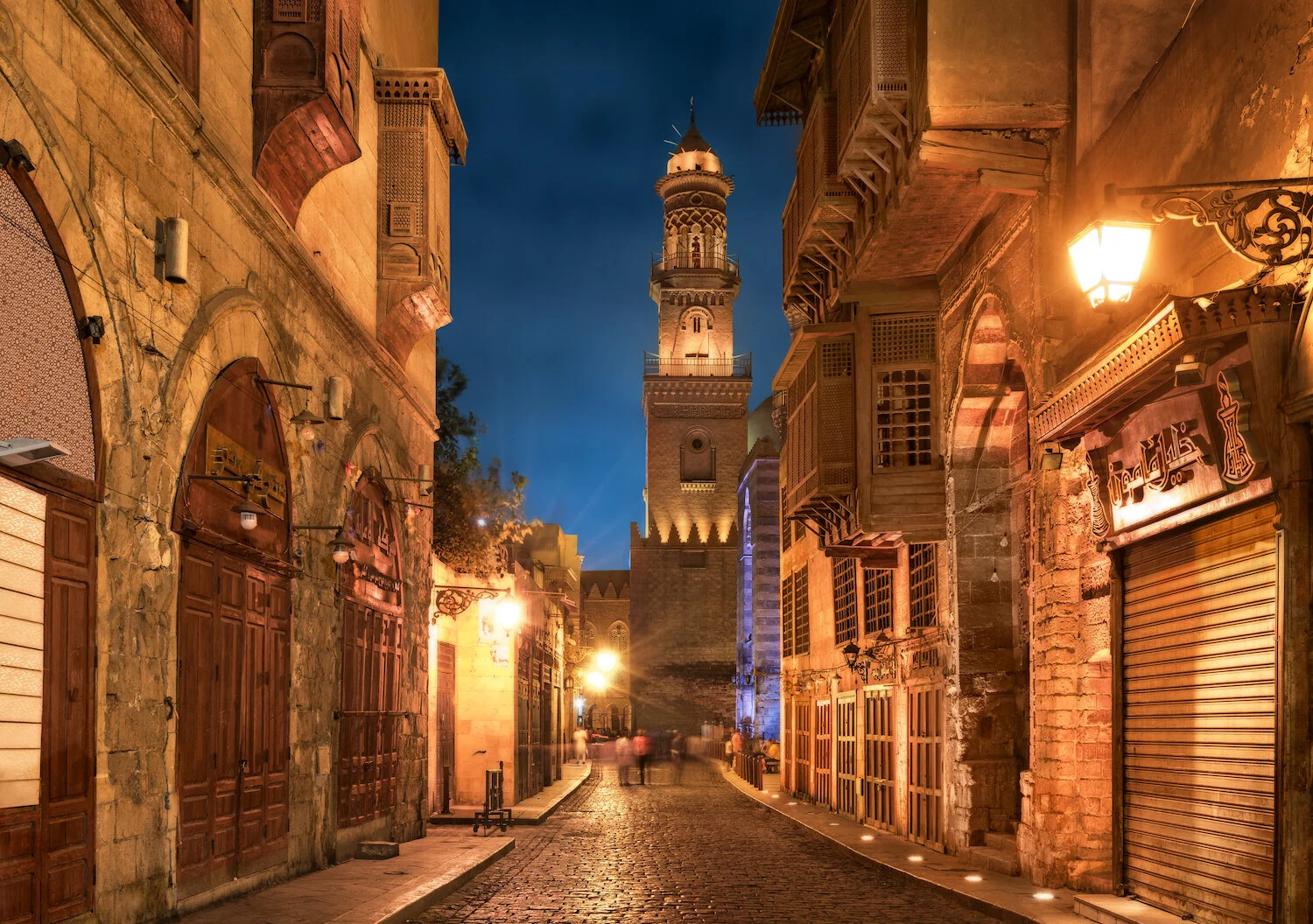
Islamic Cairo is the historic core of Cairo which gave our country capital its name, Al-Qahirah, which means “The Omnipotent Conqueror” since it was founded by the Fatimids when planet Mars (called the conquering star in Arabic) was rising. The area is filled with mosques from an array of the different Muslim dynasties and Islamic caliphate empires that have conquered Egypt in the past, giving the Cairo the nickname, the “City of a Thousand Minarets.” This area includes the Cairo Citadel, proclaimed by UNESCO as a World Heritage Site for being the "center of the Islamic world, reaching its golden age in the 14th century." It includes the fortress built by Saladin to defeat the Crusades and the Mosque of Muhammad Ali, the founder of modern-day Egypt.


Built in the 17th century, Bayt Al-Suhaymi was one of the grandest houses on one of the most luxurious streets in Cairo. Located on Darb Al-Asfar (the Yellow Way) a few meters from Al-Muizz Street, also dubbed ‘The Palace Walk’ due to the luxurious palaces built by the wealthy on this street, Bayt Al-Suhaymi is a beautiful example of medieval Cairo’s finest non-monumental architecture during the Ottoman period and is truly a sight to be seen.