

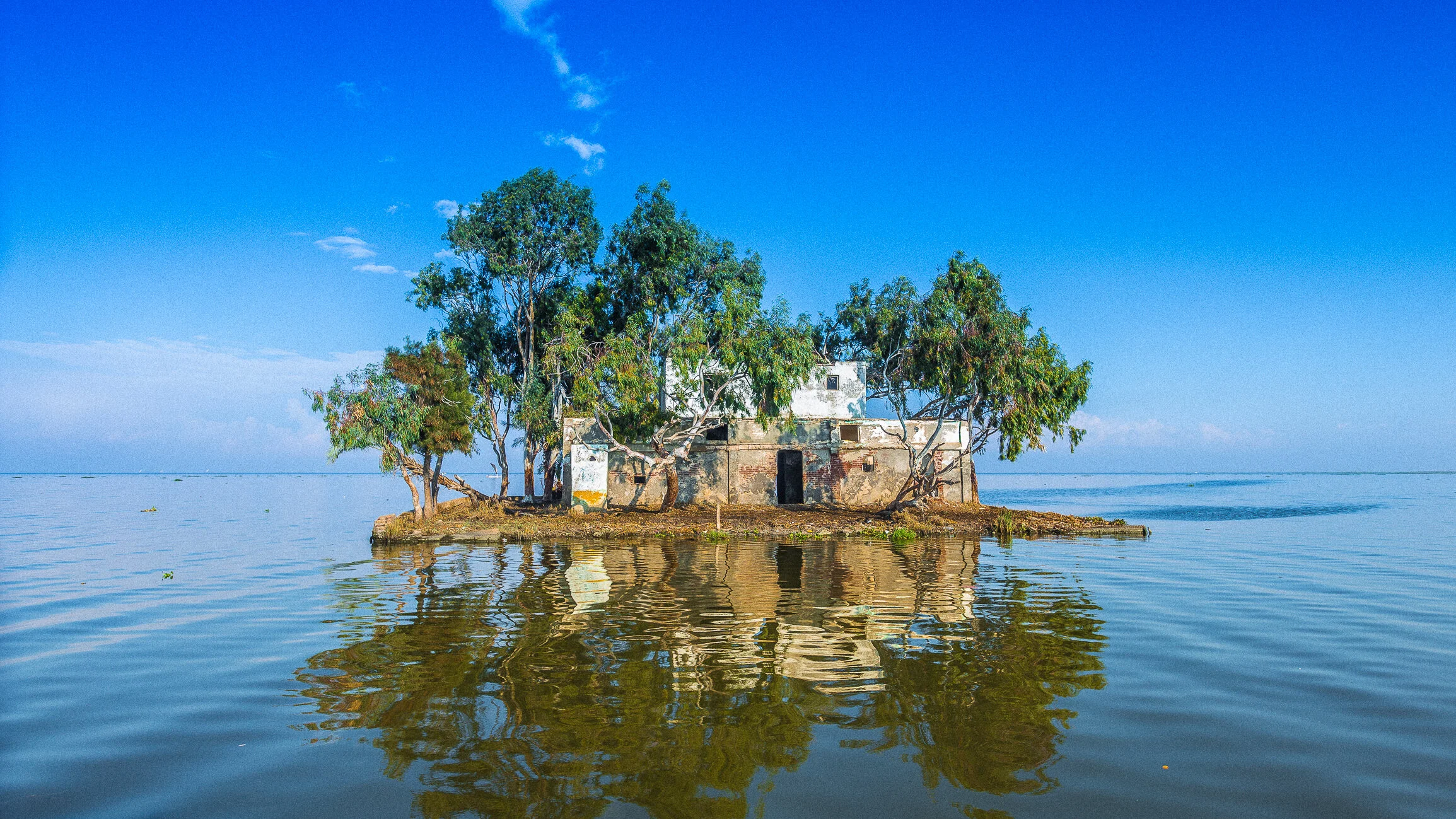
Beheira & Kafr El-Sheikh: Holy Lands built on Lakes
Beheira, the “Governate of the Lake,” is a holy land. Its capital, Damanhur, was formerly known as the City of Horus, for being a center of worship. The modern Damanhur remains a spiritual and religious center, as well as, a place to experience the arts.
Kafr El Sheikh was built as a homage to a saint, that spirit can be experienced throughout the city with a calming presence. From the beautiful sunsets seen from the Mediterranean lakes to the wonderful shrines from all faiths. Spending a summer here will help you rejuvenate.
Learn more about Beheira & Kafr El-Sheikh


A cherished Jewish heritage site situated in Damanhur, the shrine and tomb of a Judeo-Moroccan mystic, Yaakov Abuhatzeira. Perhaps best known via his grandson the, Baba Sale (Yisrael Abuhatzera), but long before the Baba Sale was even born, the grandeur of the Abuhatzeira rabbinic dynasty was defined by the Yaakov, who wrote twelve books of commentary and developed a mystical following at the edge of the Sahara. Due to many laws, it can be challenging to get to, but it is still accessible. His tomb in the local cemetery used to attract thousands of pilgrims every year, but now it requires special permission to visit the tomb.

One of the oldest mosques in Egypt that went through a significant restoration, Al Tawba Mosque was built by Amr Ibn Al As, the commander who brought Islam to Egypt. It served as the main gateway to Islam’s entry into Alexandria and North Africa. An ancient architectural masterpiece and a unique religious monument, it is characterized by rare marble columns and intertwined harmonious decorations in bright colors covered with Islamic drawings. It includes an antique chandelier that weighs about 3 tons of pure copper. Surviving through the ages, it includes a unique minaret that was built centuries later by the Mamluks, considered one of the most beautiful minarets in Egypt.

A historical opera built during the reign of King Fuad I, an architectural masterpiece that embodies the unique characteristics of Egyptian and Andalusian architecture with Italian planning. The Opera has been the main landmark of the governorate, which is why its name has been changed multiple times to match Egypt's government type. The opera house has been both a building of historical value and a center of artistic value with the many renowned performances that continue to take place here.