

Minya & Asyut: The Bride & Guardian
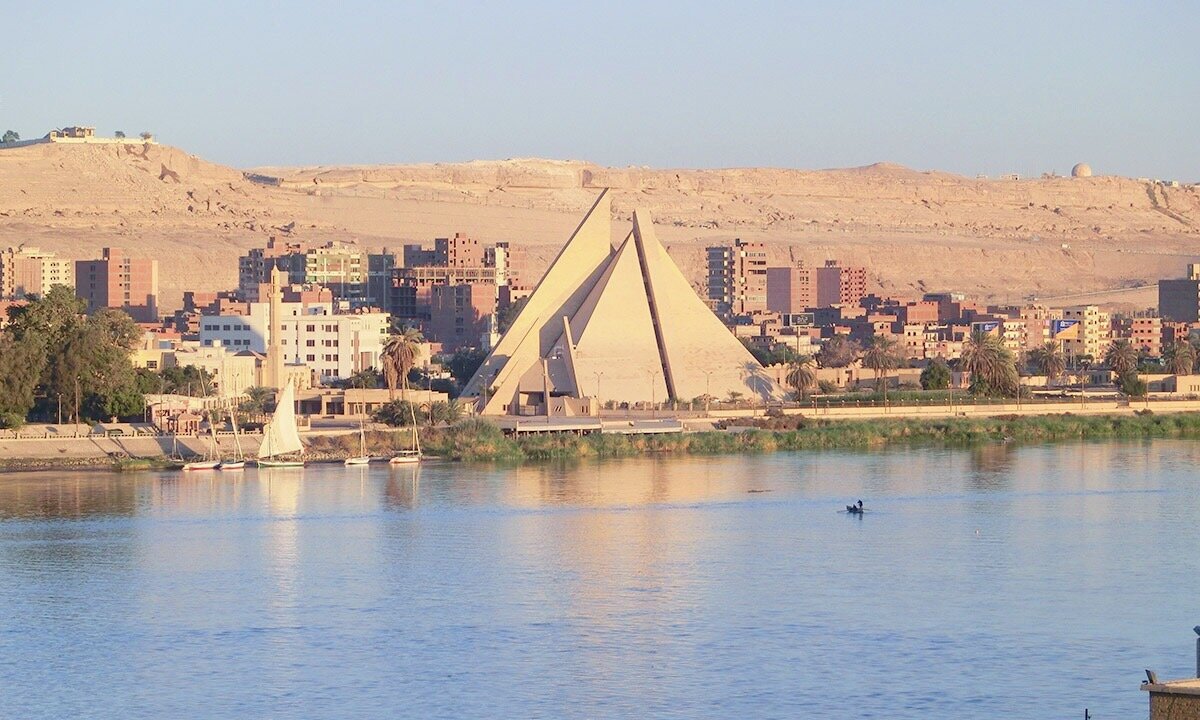
Minya, the Bride of Upper Egypt, has been a city desired by the world. It's home to the remarkable mosques and monasteries, the inspiring centers of artists and scholars, and the mountains of precious limestone. Experience Minya and fall in love with her special beauty and sophistication.
Asyut, the “guardian land” of Upper Egypt, for preserving its rich heritage and different cultures throughout 4,000 years, its a land of holiness and luxury. As one of the oldest cities on earth, you’ll experience treasures from Egypt's Pharaonic, Roman, Coptic, Islamic, and Modern ages.
Learn more about Minya & Asyut
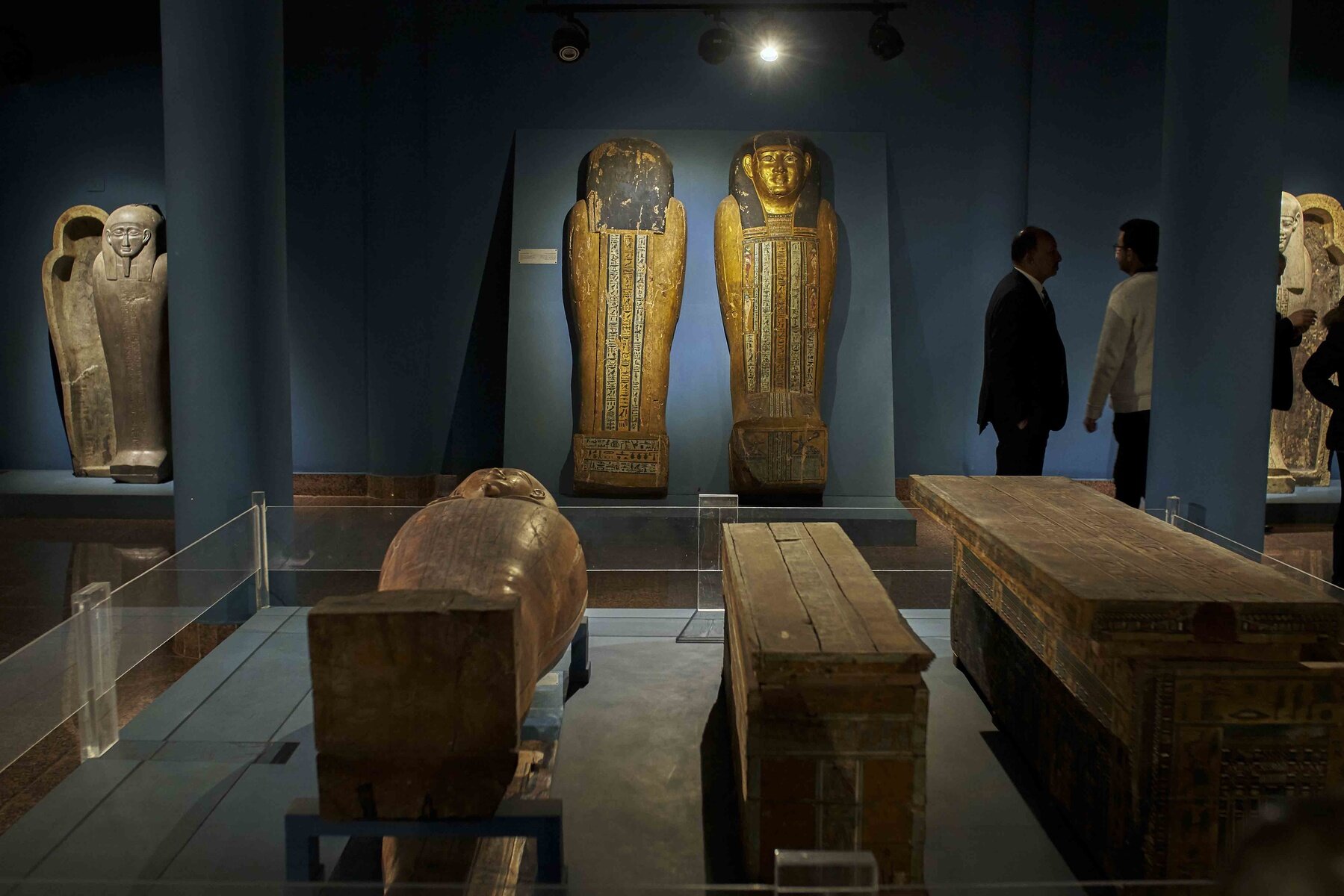

Built in 1910, this palace is set to become Egypt's newest national museum. The palace can be found in Asyut, the province’s capital where life was once dominated by influential families that gained their wealth from Nile trade. It was built by the wealthy Alexan family in a grand European style, the palace serves as a symbol and a reminder of Asyut's role as a thriving regional capital in the 19th century. The city’s life was dominated by large and influential families, drawn from its Muslim as well as Coptic population. Wealthy families built palatial residences with gardens along the riverfront, like the house of the Alexan family. This palace which is turning into Asyut's first museum is a symbol of Asyut's role as a thriving regional capital of a modernizing Egypt in the 19th century. Built by the wealthy and influential Alexan family in a grand European style, it is one of only a few such residences that have survived in Asyut. It's vulnerability to collapse and significant importance made this palace become one of the World Monuments Fund's top 2020 World Monuments Watch.
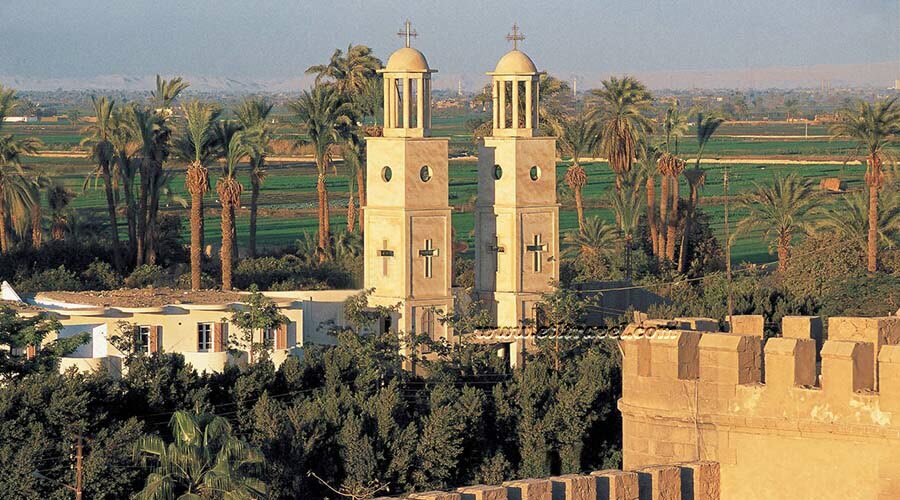
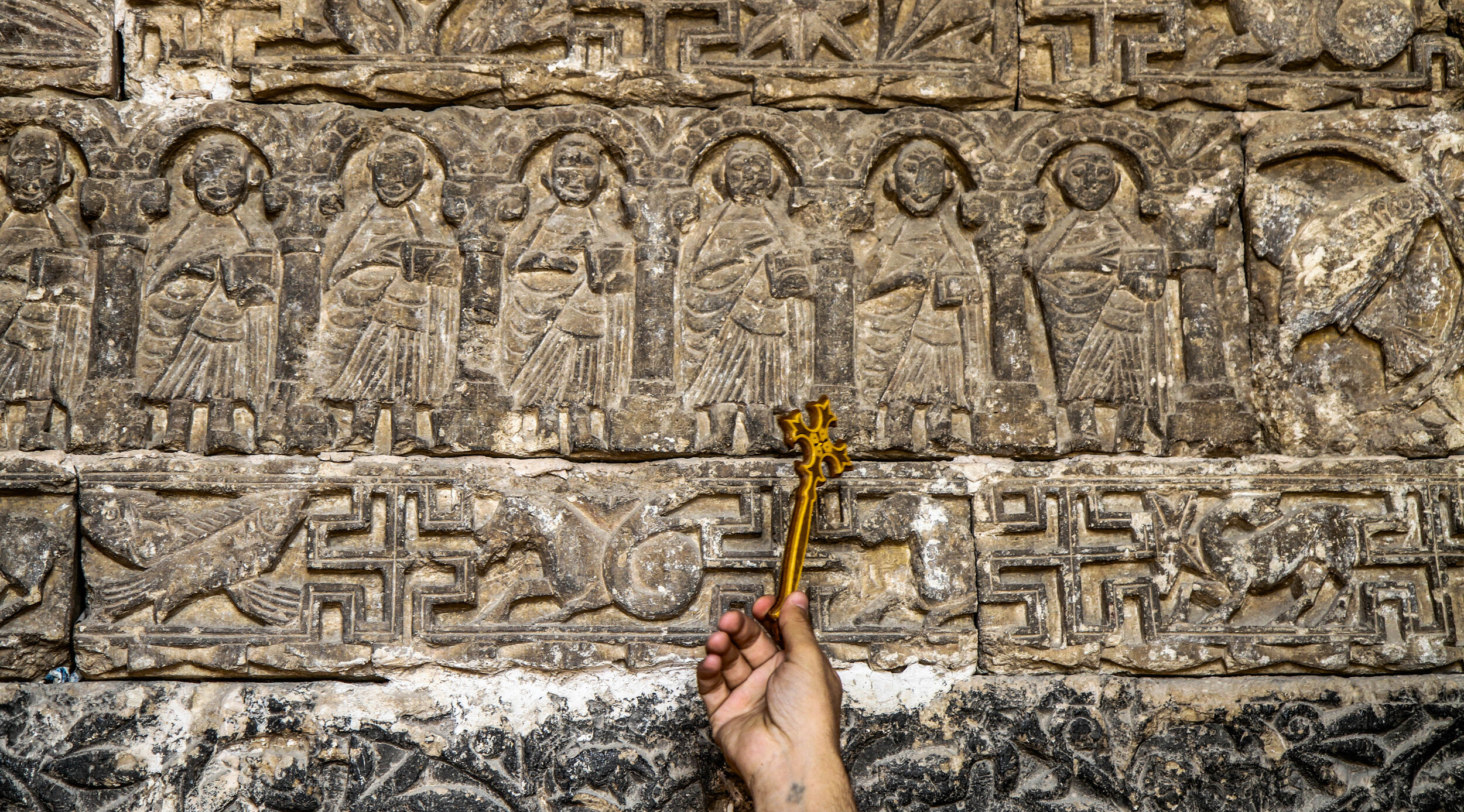
The Monastery of Al Muharraq stands as one of the oldest operational monastic complexes in the world. Although relatively unknown to most Christians outside of Egypt, it is arguably the most important Christian location in the country, holding the title of the “Second Bethlehem” amongst Egyptian Copts. It is believed the monastery is built on the spot where the holy family settled for 6 months about 2000 years ago.
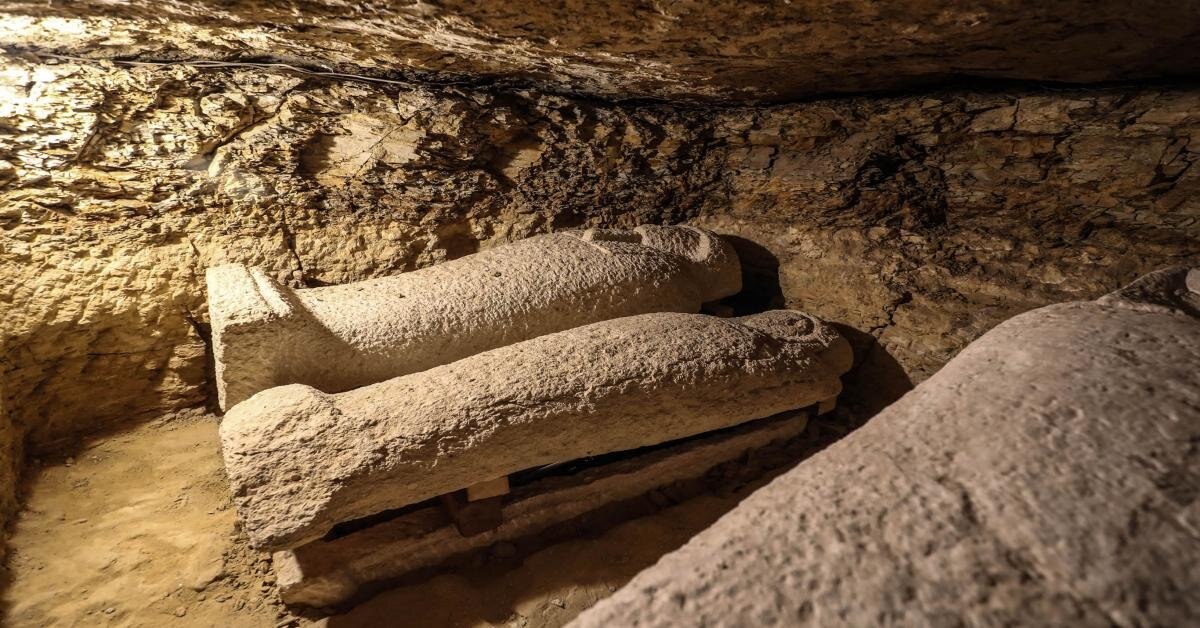
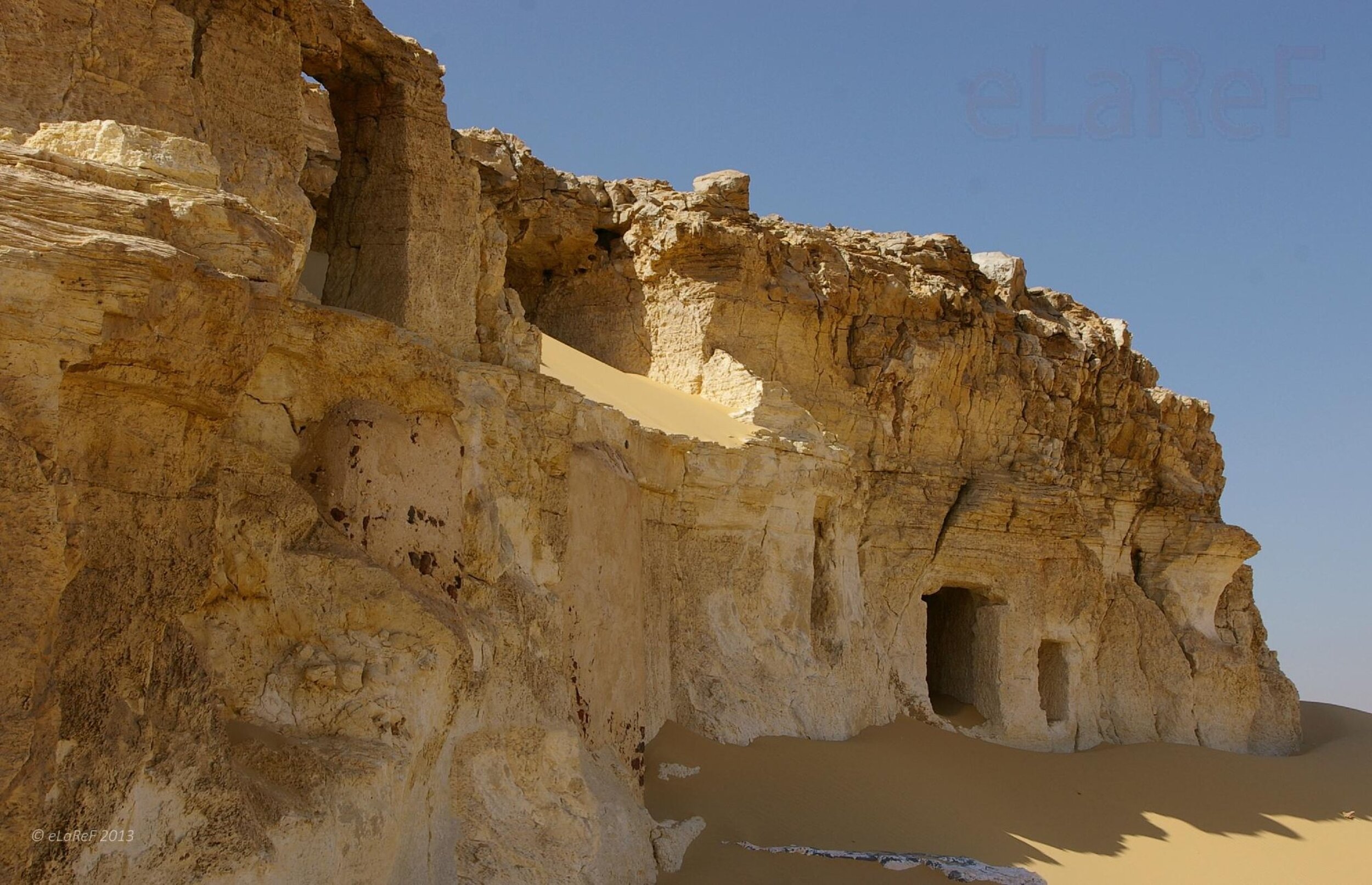
Tuna el Jebel contains the remains of the ancient city of Hermopolis, dedicated to the Egyptian god Thoth Hermes. The city became the hub of culture and knowledge in middle Egypt during the times of the Ptolemaic and Roman empire. The site’s best-known monument is the tomb of Petosiris, a high priest of Thoth that lived during the times of Alexander the great. The design and painting of the tomb are especially unique, as they combine Egyptian and Greek styles.
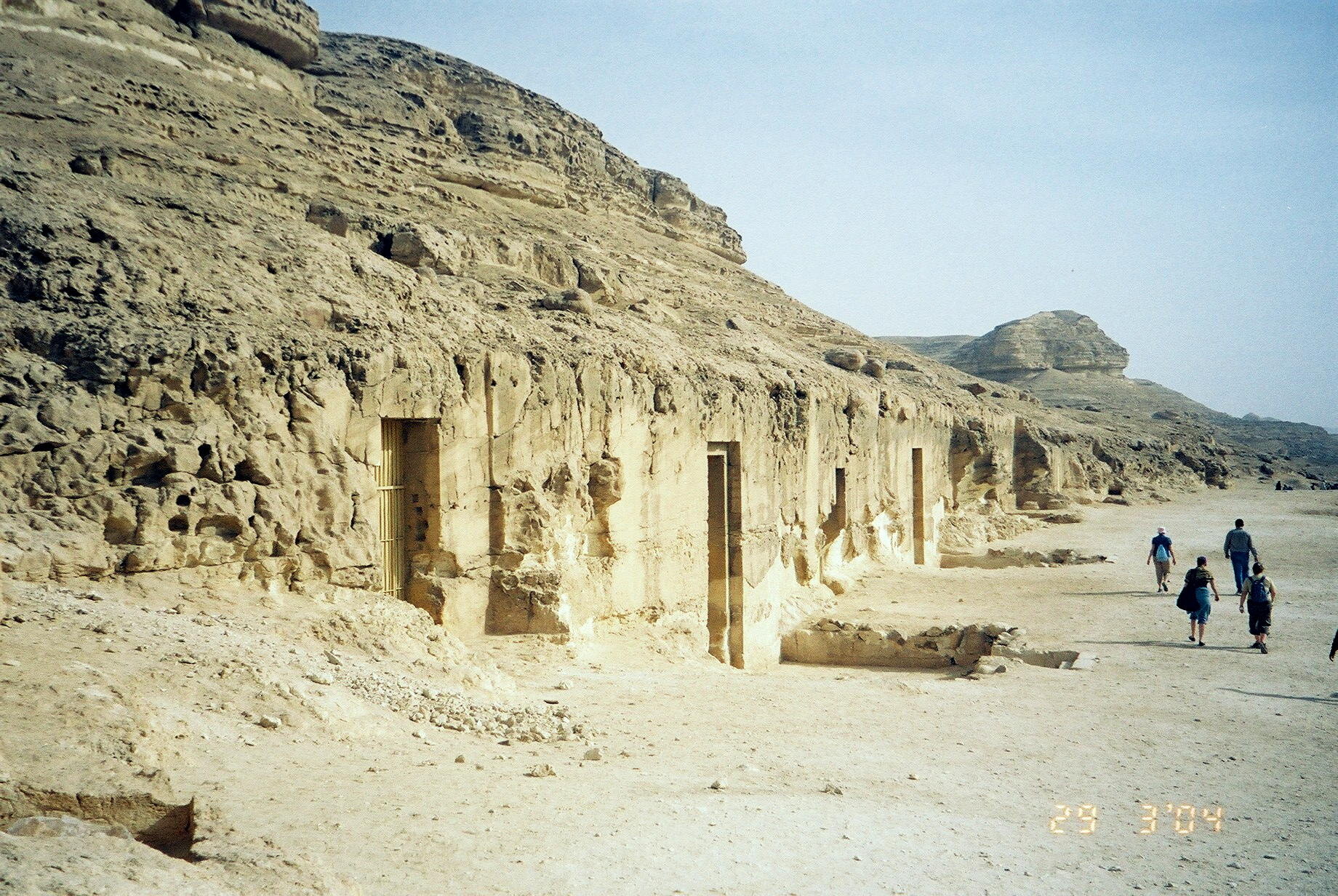
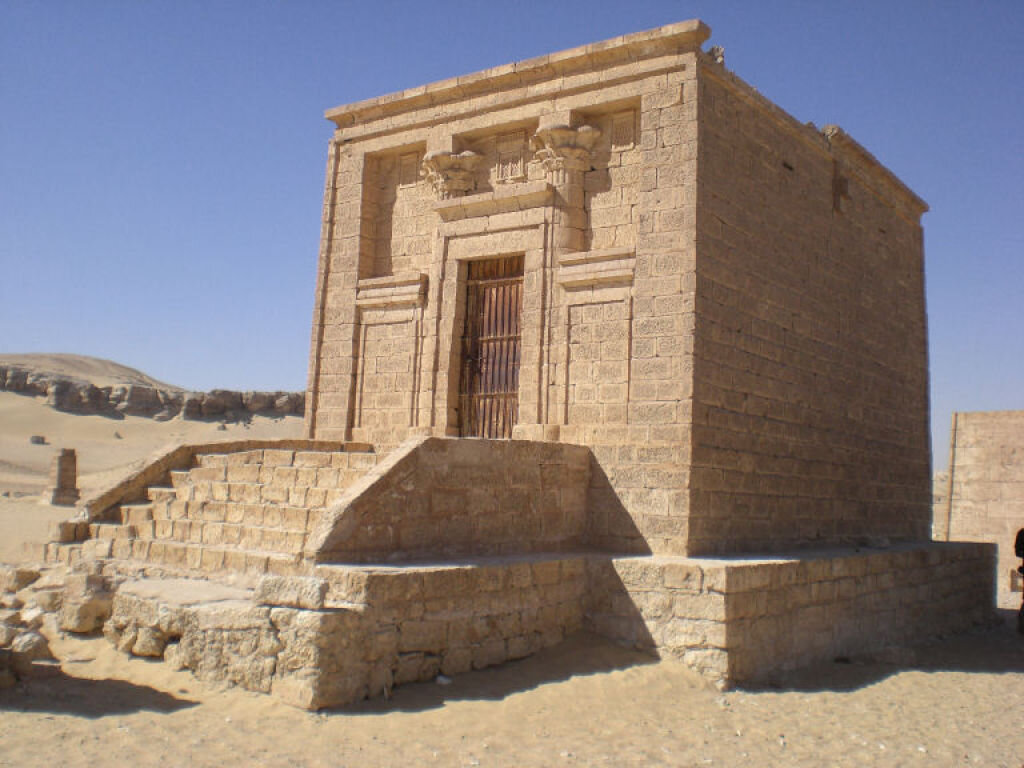
The City of Amarna was the new capital of the pharaoh Akhenaten, dedicated to the new religion of the sun god Aten. Akhenaten was a revolutionary figure during his time, where he abandoned traditional ancient Egyptian polytheism for the worship of the sun god Aten, the first occurrence of monotheism in all of history. He also fathered the
”boy pharaoh” Tutankhamun, and was husband to Nefertiti, famous for her bust that can be found in Berlin’s Neues Museum today. The foundation of the city remains today in addition to a smaller temple. The site is also known for being plastered with a new Egyptian form that is much more realistic and informal, depicting scenes of affection between members of the royal form. This too was a break-away from traditional ancient Egyptian art, emphasizing the unique nature of pharaoh Akhenaten and Amarna