

Giza: The Valley of Egyptian Excellence
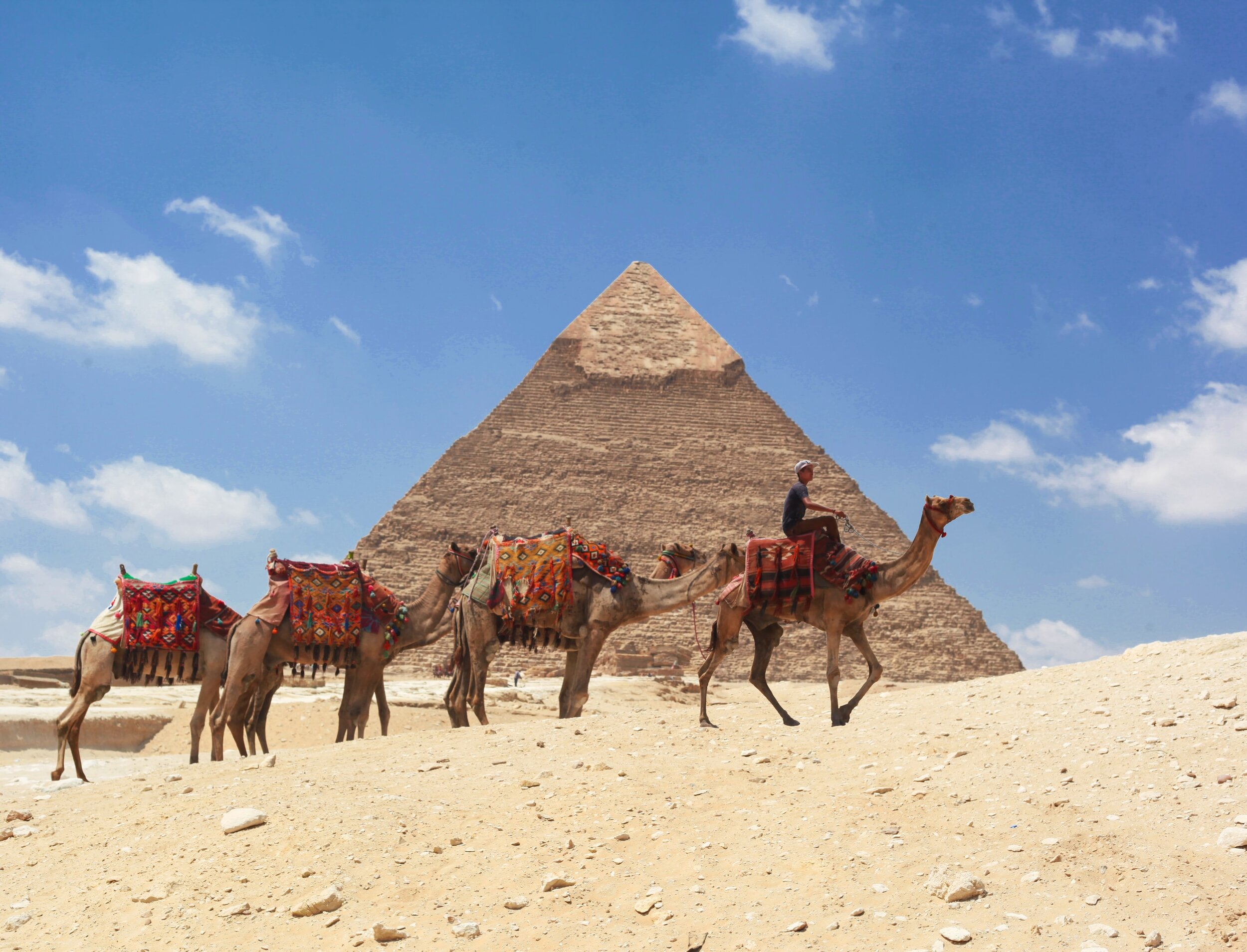
Giza, home to the wonders of the world which made us the most popular country in the world. Ride a camel or a horse through the deserts to experience the sacred structures. Go back in time to kiss the Great Sphinx and see the Great Pyramids, or visit the cultural centers that showcase Egypt's timeless excellence.
Learn more about Giza


Although not as well-known as the Pyramids of Giza, Saqqara holds more interest to archaeologists than Giza. This is due to the fact it contains burials dating from before the beginning of the Old Kingdom up through the Greek Period of Egyptian history. To this day tombs are being found, with one recently found in 2019 leading to a documentary of the finding to be featured on Netflix. Its most famous Pyramid is Djoser’s Step Pyramid, built in the 27th century BC during the 3rd dynasty rule of Djoser and was the first large large-scale cut-stone structure in the world. Being the first pyramid built in Egypt, it was an important stepping stone in setting the blueprints of developing other Ancient Egyptian pyramids.
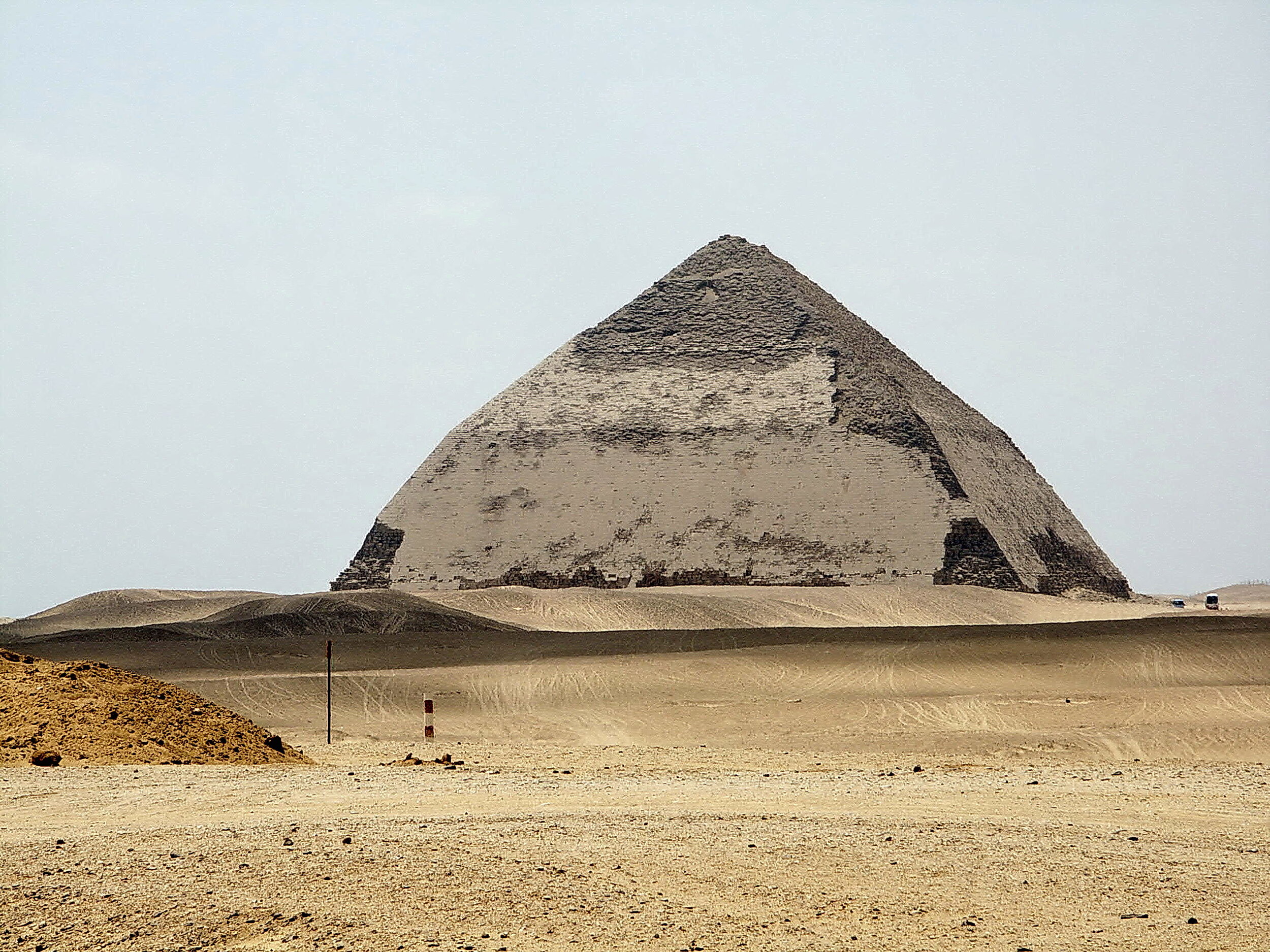
Located about 40 kilometers southwest of Cairo, the village of Dahshur marks the southern end of the vast pyramid field that begins at Giza. Excavations at Dahshur have revealed the remains of seven pyramids, as well as extensive tomb complexes built for queens and nobility from Memphis up until the 13th Dynasty in the Middle Kingdom. The pyramids of Dahshur were built before Giza and were stepping stones for the eventual construction of the Great Pyramid of Giza. The Bent Pyramid is called a “transitional” pyramid because the angle of its sides changes abruptly approximately one-third of the way up. Archeologists attribute this to an engineering crisis during construction. The architect realized that the steep, 54-degree inclination of its sides would make it structurally unsound. As a result, the rest of the pyramid was completed with only a 43-degree inclination leading it to be called the Bent Pyramid.

“Enduring and Beautiful” was what the name of this ancient city meant during the New Kingdom. It's beauty has remained with it ruins providing the area with an open air museum surrounded by greenery. Though the highlight of this place is a colossal statue of Ramses II that was mysteriously found in the Nile river, the statue is so big that the museum had to be built around it! This is one of the few statues you can actually come up to close enough and it's big enough to clearly see the amount of detail that the Ancient Egyptians put in their craft.


The Grand Egyptian Museum (GEM) is the largest archeological museum in the world with over 50,000 artifacts. The museum took 20 years to complete, stalled by lack of financing and two revolutions, the President Abdel Fatah El-Sisi, has put tourism in the forefront of his initiatives and it is slated to be open to the public by the end of 2021. The museum's main attraction will be the first exhibition of the full tomb of King Tutankhamun. The museum will host a children's museum, conference center, training center, and workshops similar to those of Pharaonic times.
The Great Pyramids of Giza are the oldest and the only wonder of the Seven Wonders of the Ancient World still in existence. Built purely out of millions of limestone blocks during Egypt’s golden age 5,000 years ago, they have stood the test of time and have triumphed as the world’s tallest man-made structure for almost 4,000 years. Over the course of decades, it took tens of thousands of highly skilled workers to accomplish the construction of these amazing structures to host the tombs of the three kings: Khafre, Khufu, and Menkaure. The skilled craftsmanship, spot-on accuracy of calculations, and incomparable endurance of these man-made structures has led many to think that there might have been help from aliens.