

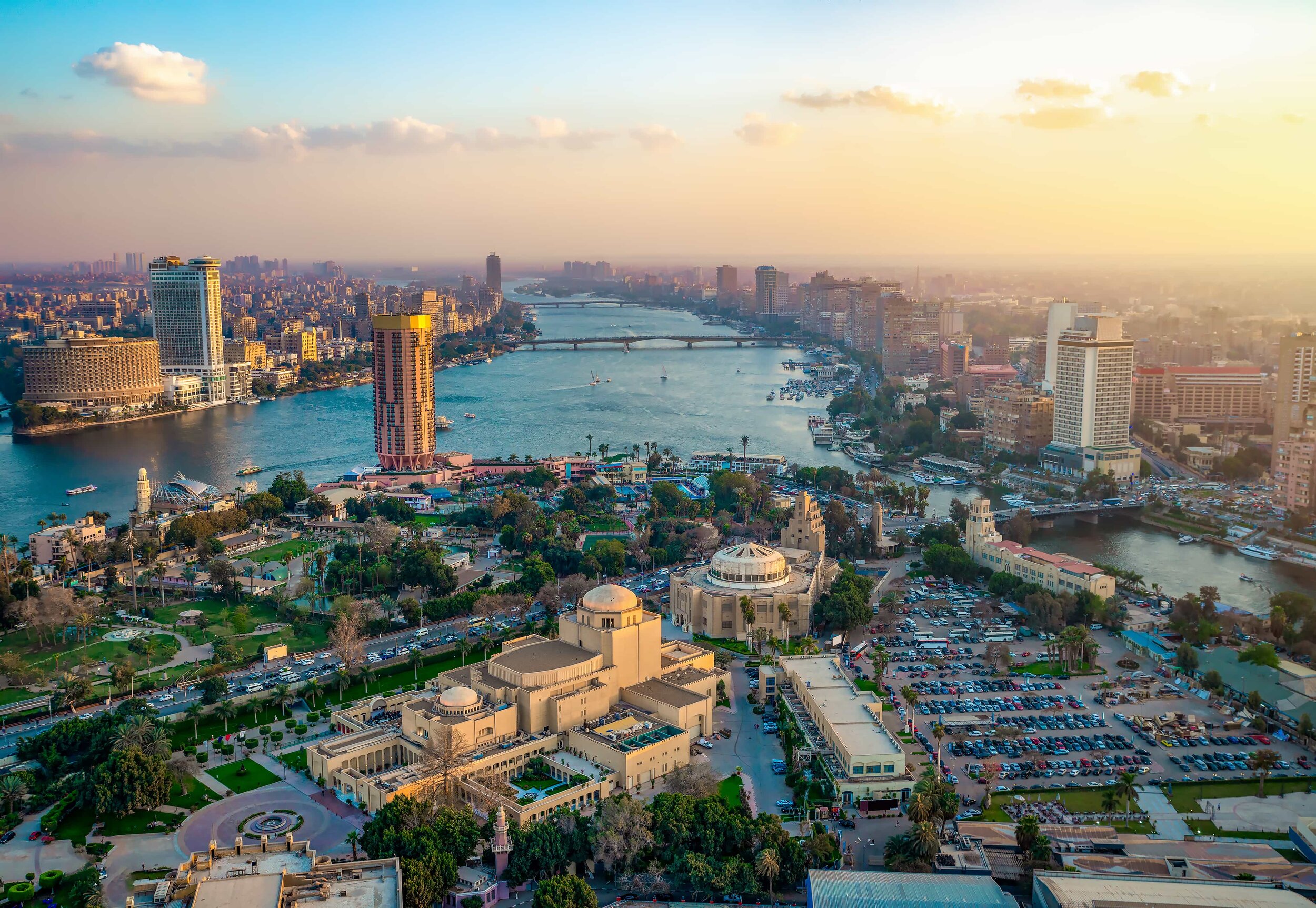
Cairo: The Center of the World
Cairo, our capital, is the entire world’s melting pot, and the capital of the Middle East and North Africa. It's the city where you can experience everything and it's expanding every day. From being the beacon of arts and culture to the city of a thousand minarets and the biggest bazaars. Experiencing Cairo will seem like you experienced the whole world through the different eras in a day.
Learn more about Cairo

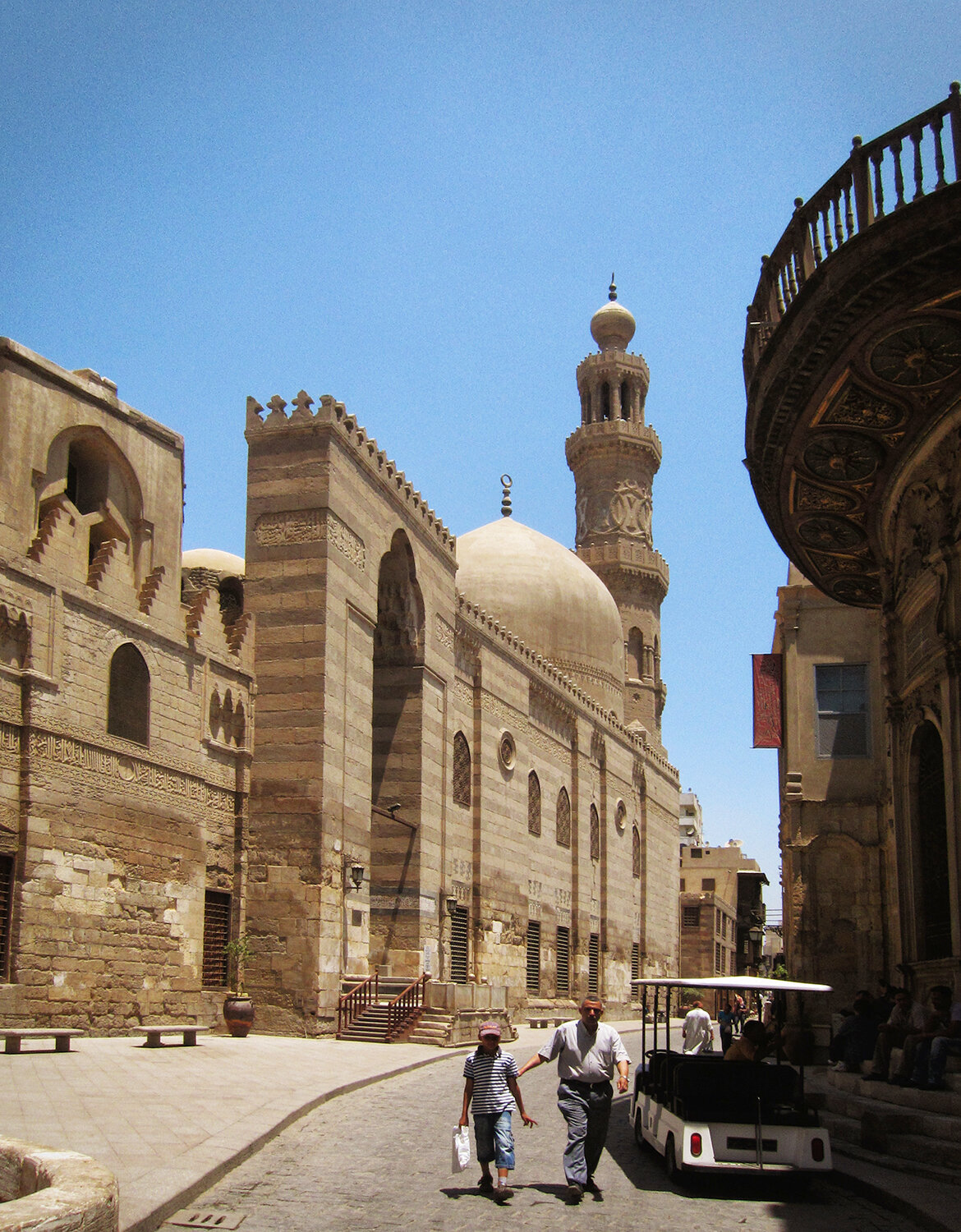
Islamic Cairo is the historic core of Cairo which gave our country capital its name, Al-Qahirah, which means “The Omnipotent Conqueror” since it was founded by the Fatimids when planet Mars (called the conquering star in Arabic) was rising. The area is filled with mosques from an array of the different Muslim dynasties and Islamic caliphate empires that have conquered Egypt in the past, giving the Cairo the nickname, the “City of a Thousand Minarets.” This area includes the Cairo Citadel, proclaimed by UNESCO as a World Heritage Site for being the "center of the Islamic world, reaching its golden age in the 14th century." It includes the fortress built by Saladin to defeat the Crusades and the Mosque of Muhammad Ali, the founder of modern-day Egypt.

A unique and rare yet significant part of Cairo, is Jewish Cairo, which hosts the Synagogue of Ezra. This is where the Pharaoh's daughter found baby Moses in the reeds along the Nile River, where prophet Jeremiah was taken to in Egypt, and where a lost treasure of 400,000 secular and sacred collections of Jewish manuscripts called the Cairo Genizah were found.
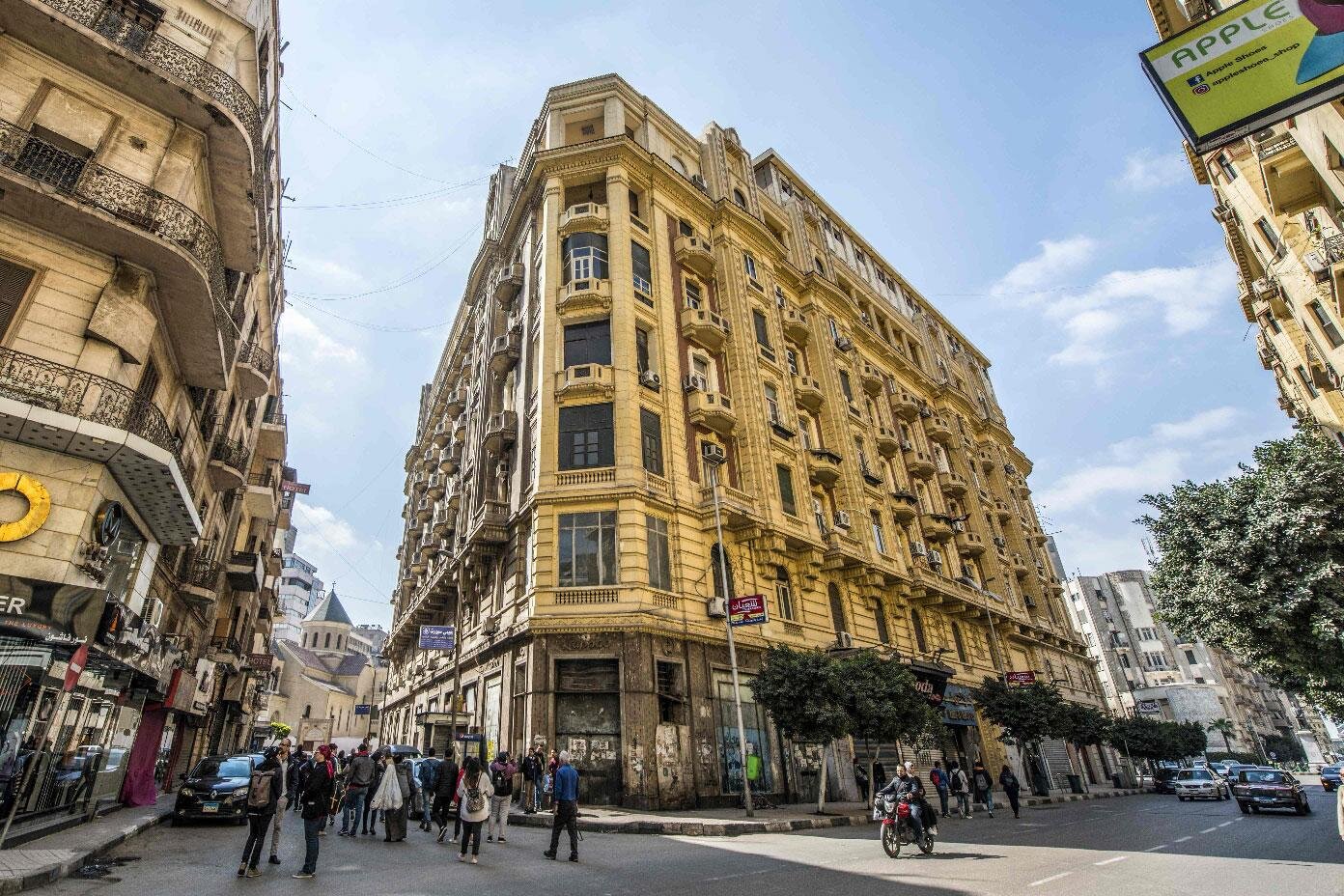
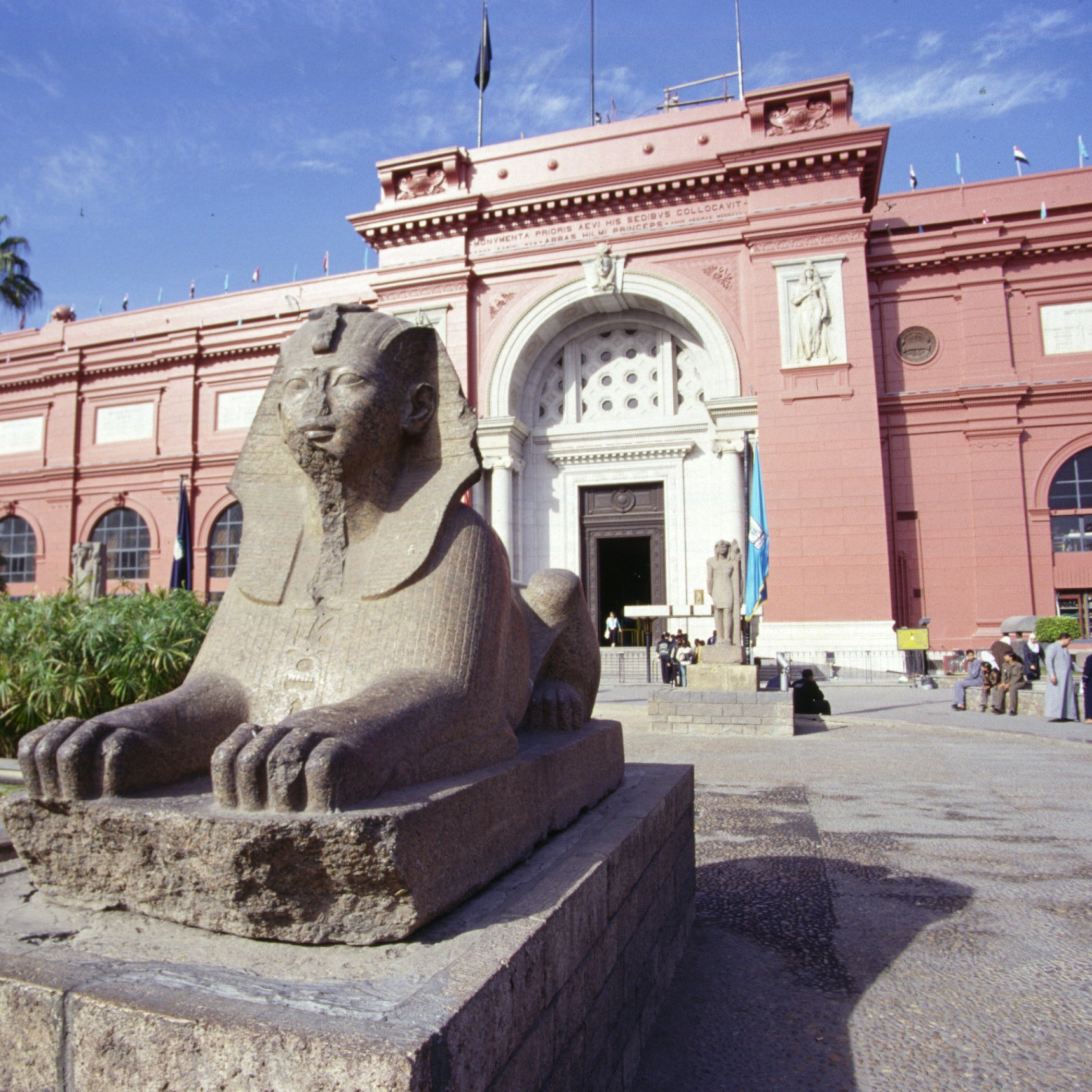
Built in the 1880s to modernize Cairo, Downtown also known as Wist El-Balad, meaning “heart of the country,” Downtown Cairo is a hub for transportation, business, and culture centered between Talaat Harb Square and the well-known Tahrir Square. Some of the highlights of Downtown Cairo are the Museum of Islamic Art, the Egyptian Museum, the Townhouse Gallery and Theater, and a wide variety of restaurants and cafes to visit, including Groppi, Egypt’s first and most popular ice cream shop. Downtown Cairo's architectural scene is unique as it was designed by prestigious French architects who were commissioned by Khedive Ismail, with a goal of resembling what he had experienced during his visit to Paris.

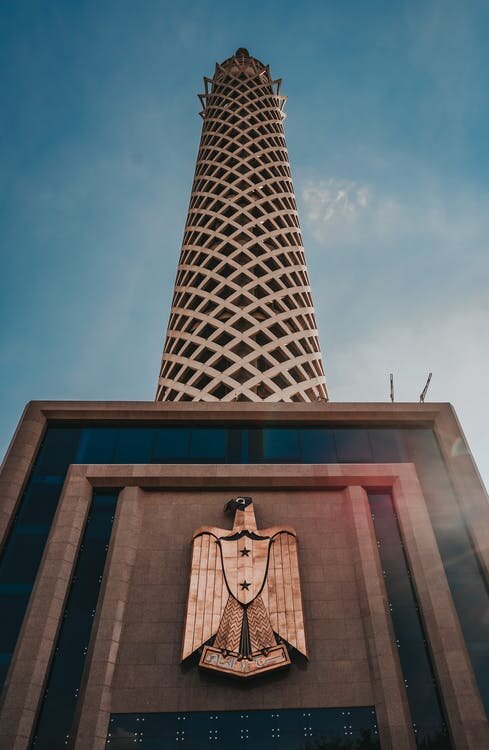
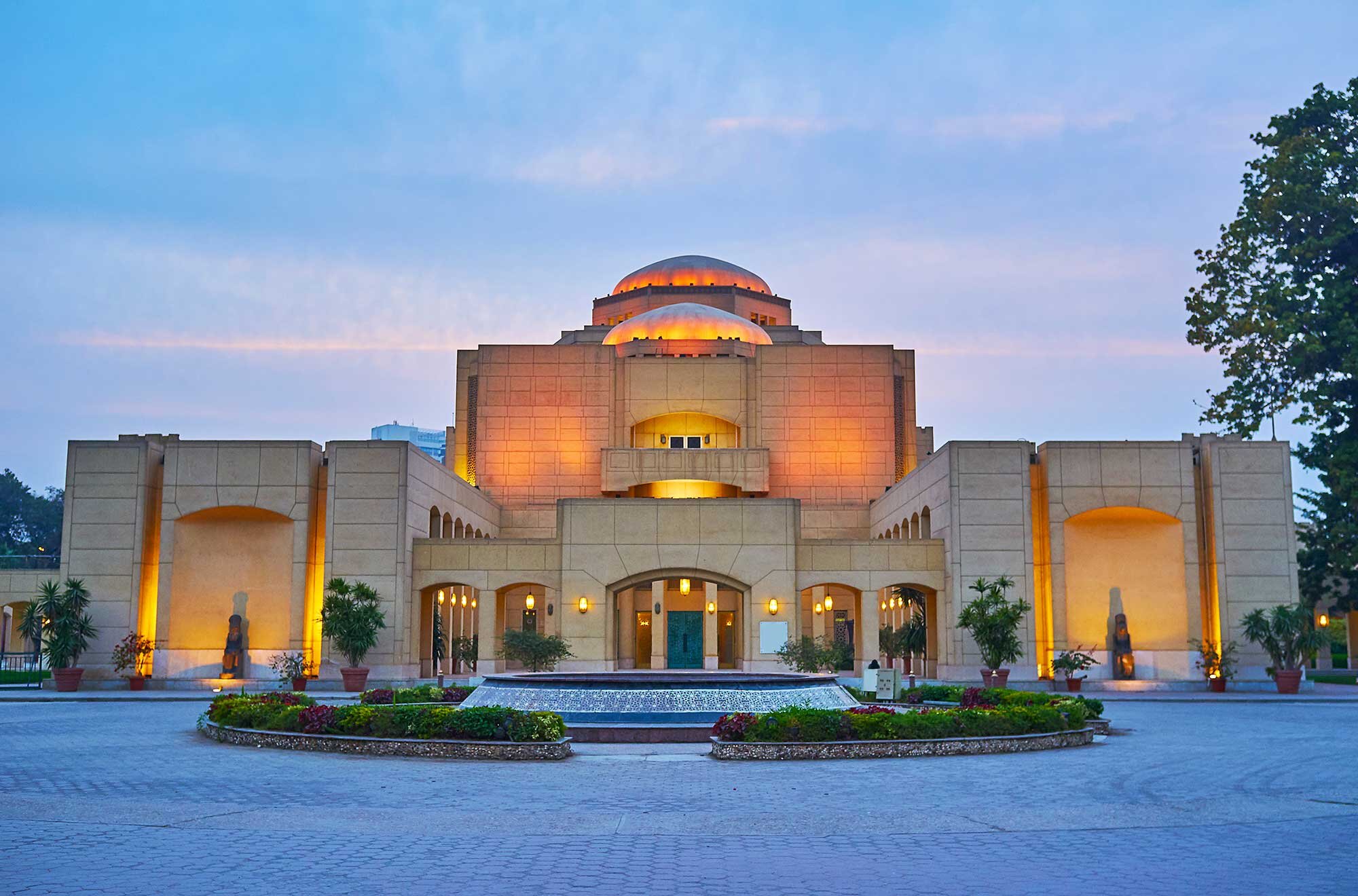
Developed in the 1860’s as part of Khedive Ismail’s extravagant preparations for the opening of the Suez Canal, the Gezira which translates to “the island,” was built to be an island garden for the lavish Gezira Palace. The Gezira is home to one of the leafiest and quietest neighborhoods, Zamalek, as well as other significant locations such as the Cairo Opera House, Egypt’s popular soccer club Zamalek SC, the Marriott Gardens, Cairo Tower, Sequoia Restaurant, and La Bodega Restaurant.
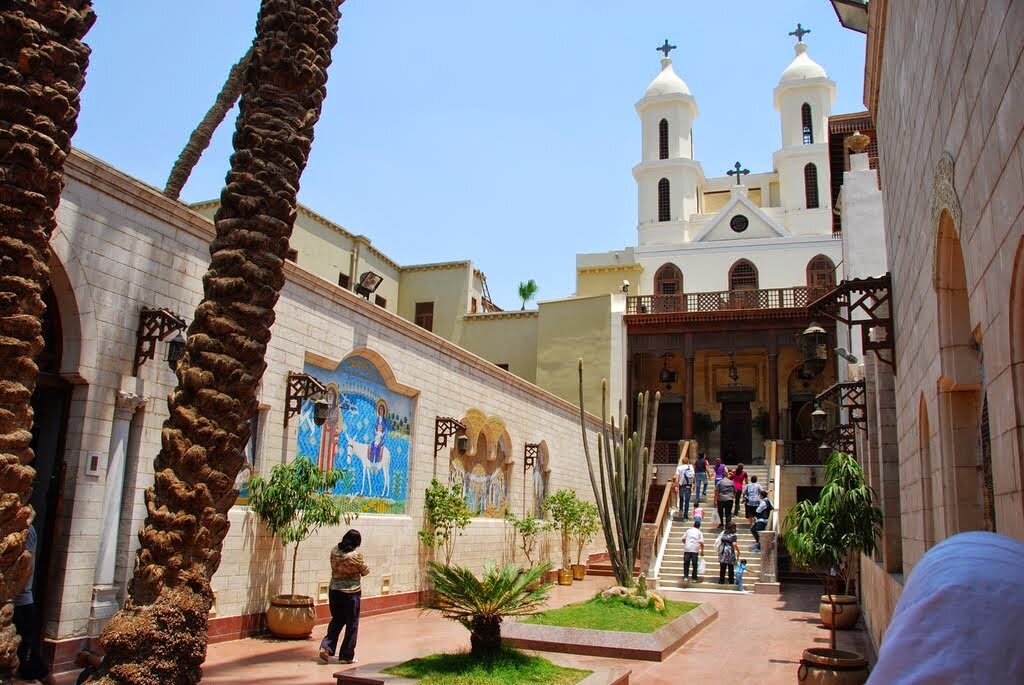
Built in the 9th century on high elevation for the church to ‘hang’ high upon the walls of Babylon, the Church of Virgin St. Mary is one of the oldest Christian religious sites in Egypt. Although the elevation that gave this church its ‘hanging’ nickname is gone due to change in ground level, the church is beautifully designed with the ornate interior decorated with bones and ivory inlaid designs.

Formally known in Coptic as "The Church of Martyrs Sergius and Bacchus in The Cave" and popularly referred to as "Abu Serga," this church is one of the oldest in Egypt. The church was built upon an ancient Roman fort in Old Cairo, it holds a special religious status among global churches because it is associated with the Holy Family's journey through Egypt. The church is characterized by its unique architectural and artistic elements that reflect the spirit of Coptic church architecture in Egypt.
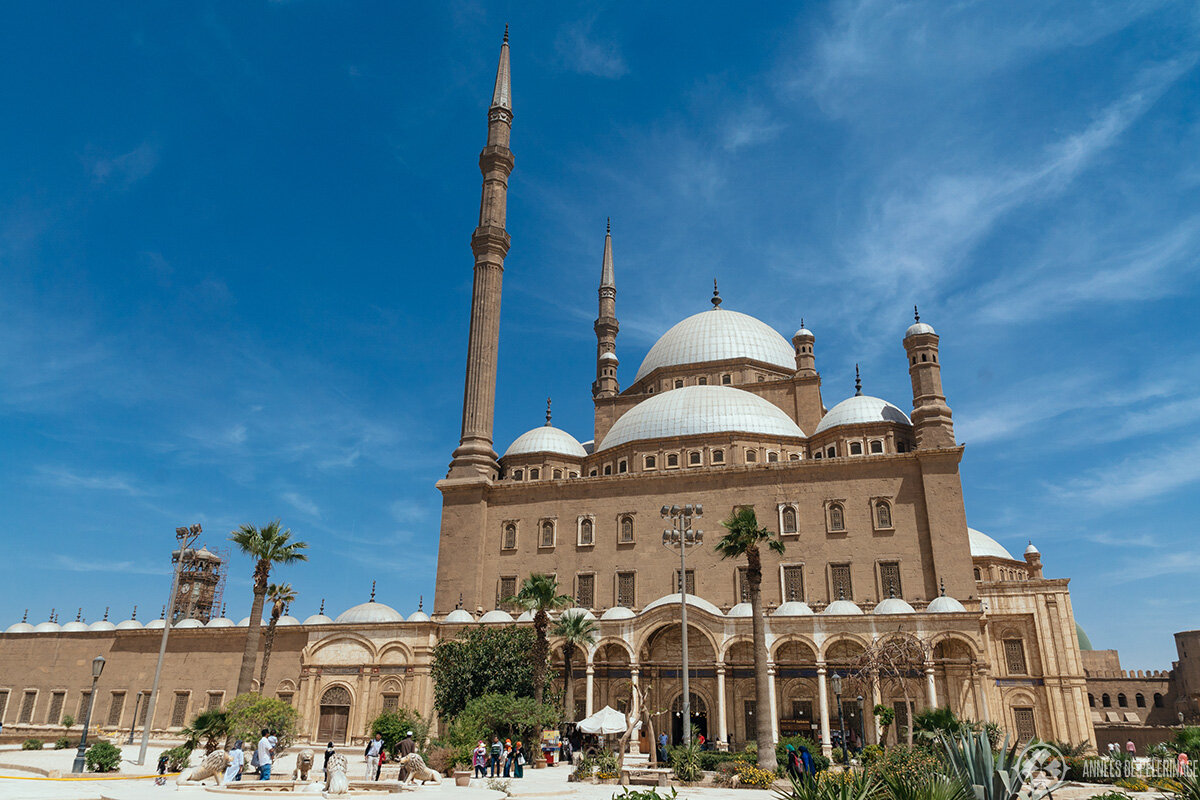
Built in 1183 AD, the Citadel was the centerpiece of Cairo's defense protecting the city from the heights of the rocky cliffs that overlooked it. Named after Salah El Din (Saladin), a talented general who became the King of both Egypt and Syria, the Citadel contains three beautiful mosques that can be visited as well as the National Military Museum and several other museums. The Citadel offers a silhouette that can be seen which is considered the most dominant feature of Cairo’s skyline. The highlight of the Citadel is the view that overlooks Cairo and from there you can see why the city earned its nickname the “City of a Thousand Minarets.”

Built between 876 and 879 AD the Ibn Tulun Mosque is the oldest mosque built in the city and the largest mosque in terms of land area with 2.5 hectares of land space to keep the city a distance away from the sacred land. This mosque had a unique feature of an exterior wall to create a sense of serenity and sacredness when entered. Eventually houses were built within the walls and later demolished all except for Gayer Anderson house. Gayer Anderson was an orientalist and collector, filling his house with art, furniture, and carpets. When he left Egypt in 1942, he left his house and its contents to the Egyptian government where his house was preserved and turned into a museum. This house is regarded as the best-preserved example of 17th century Cairene architecture and was even used for filming part of a James Bond film, “The Spy Who Loved Me.”
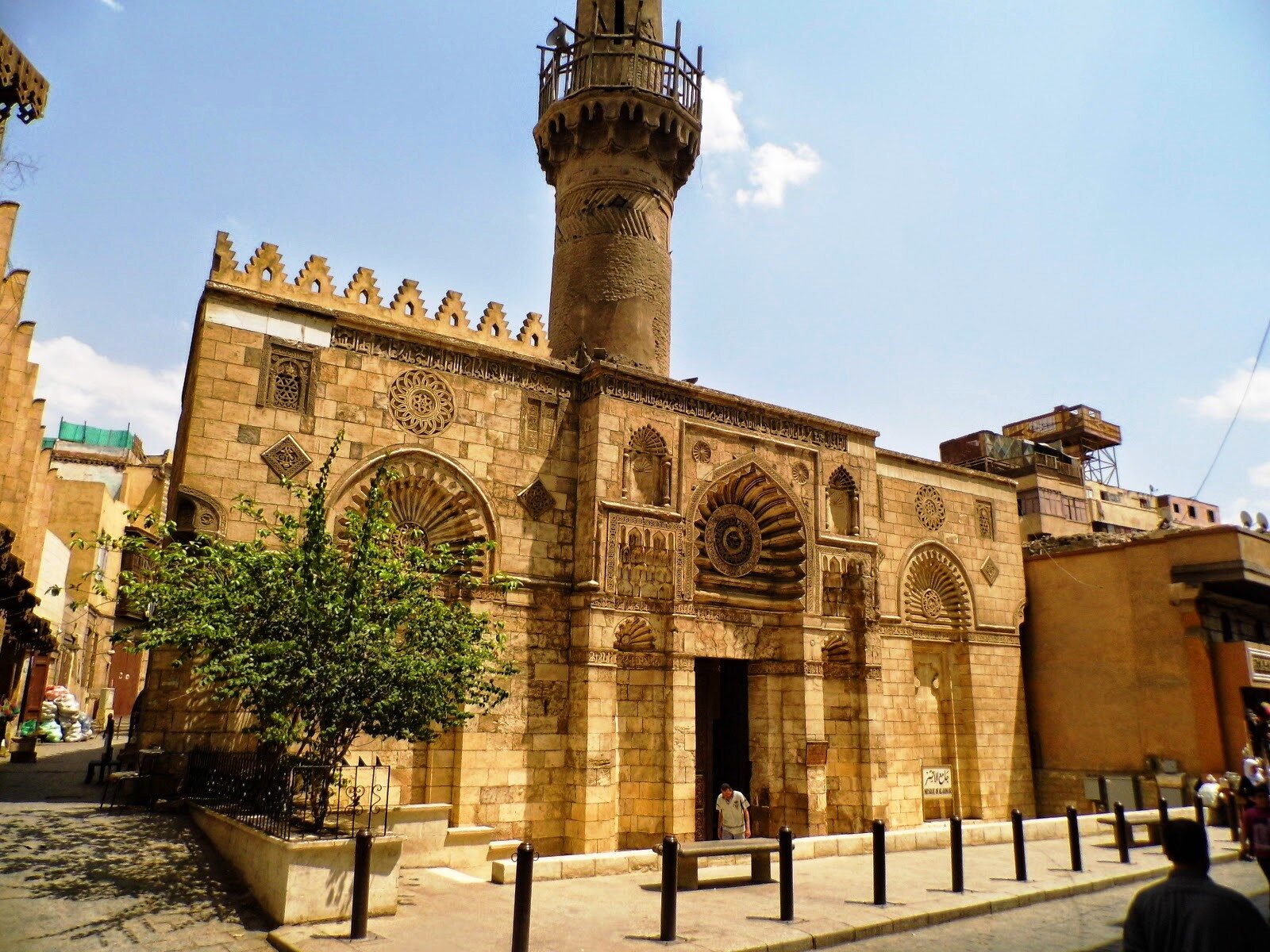
Built in the 11th century, Al Aqmar Mosque is located on Al- Azhar Street which stands as one of the most picturesque parts of Cairo. This unique mosque, also named Moonlight Mosque, is one of the oldest buildings as well as the first hanging mosque in the history of Islamic Cairo. The building’s architecture is quite unique, decorated with three fluted hoods around the portal, beautiful inscriptions on the wall, and very detailed stonework. This was the first building to use an offset facade, allowing the entrance to remain facing streetside while the rest of the mosque was angled to align with the qibla, the direction of prayer towards Mecca.
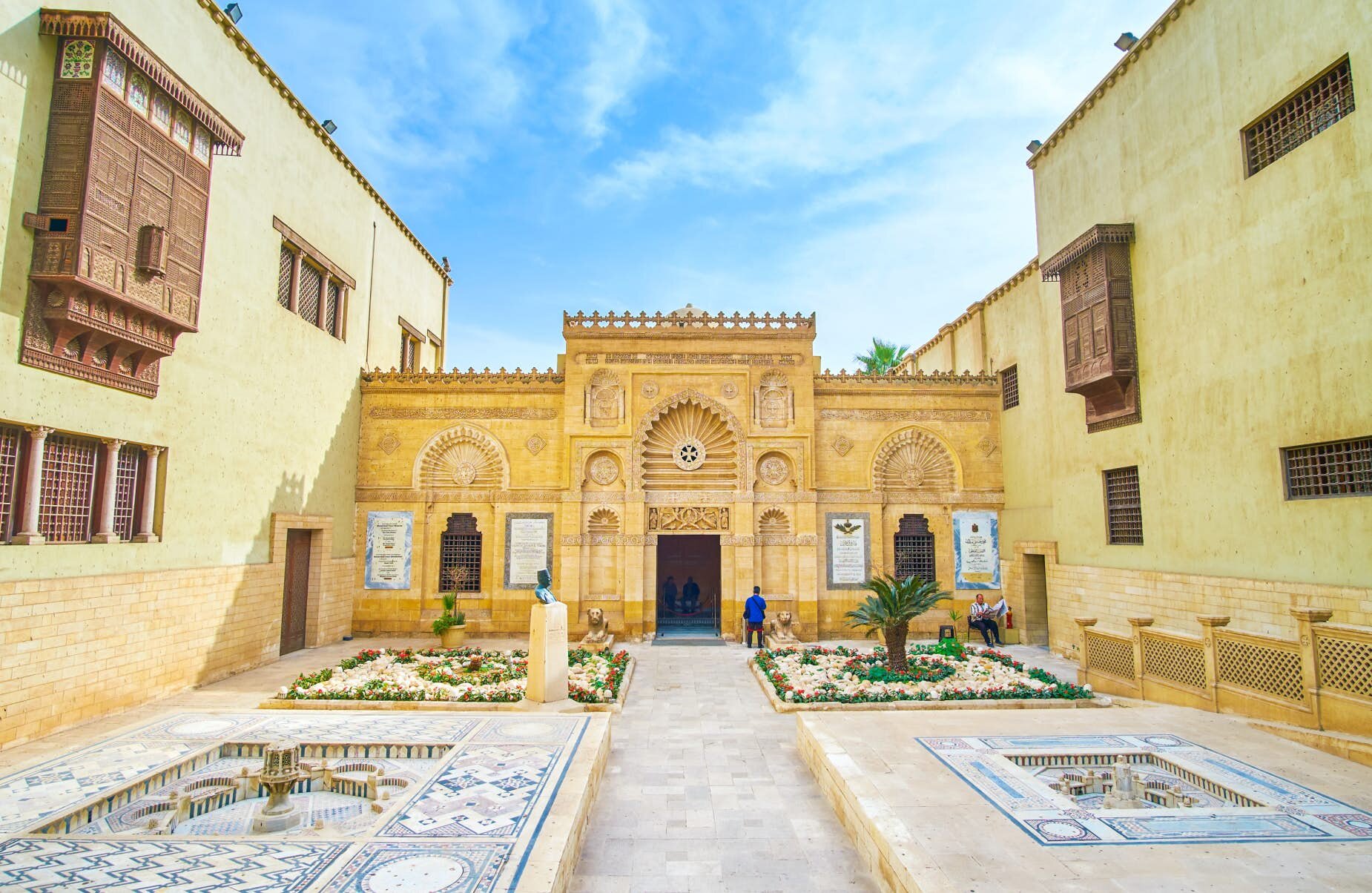
Located beside the remains of the Roman Fort of Babylon, the Coptic Museum offers a unique collection of art and artifacts from the history of Coptic Egypt. The museum catalogues a period of great change in the history of Egypt as Coptic Christianity became the dominant religion in Egypt under Roman rule before the arrival of Islam in the 7th century. The museum is worth a visit to see records of interaction between Coptic Christianity and other religions such as the ancient gods of Egypt, pagan faiths of Romans and Greeks, and interactions with early Islam. As well as the one-of-a-kind collections of Christian artifacts.
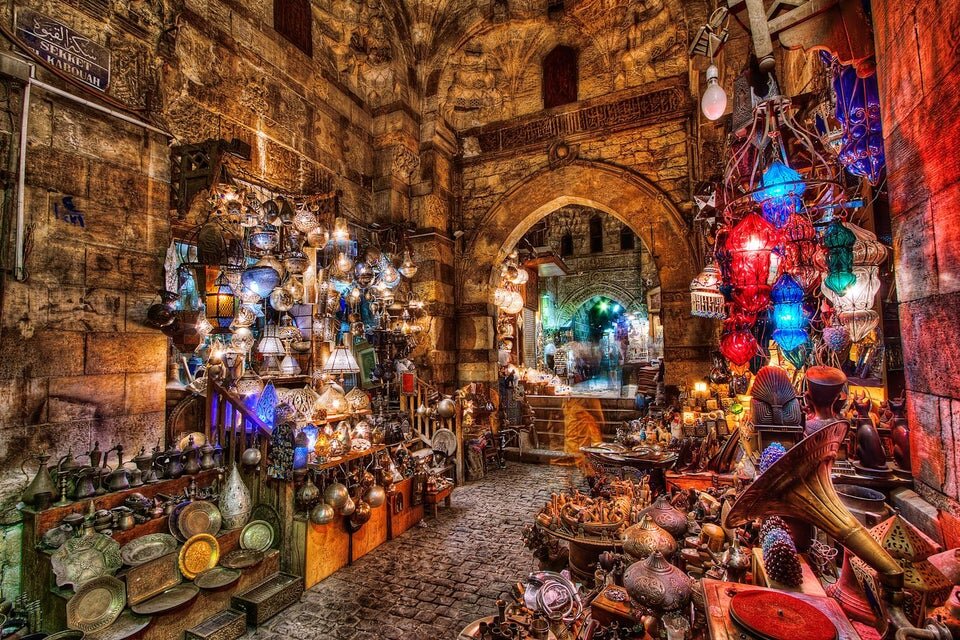
Founded in the 14th century, Khan Khalil is the world's oldest bazaar market. Established shortly after the Black Death (bubonic plague), Sultan Barquq, the first ruler of the 14th century Mamluk empire, built the market as a part of his efforts to revive the city after the world witnessed one of its worst plagues. The bazaar is loud, crowded, colorful and exciting - for centuries traders and visitors came from around the world to buy spices, perfumes, oils, gold, carpets, antiques and more. Khan Khalil isn’t for the faint hearted - expect to bargain and negotiate like you have never. Enjoy the Mamluk architecture, archways, vaulted ceilings, through the various alleyways that can act as a maze. Once you are done negotiating and have bought your souvenirs, have a cup of tea and shisha (hookah) at Cairo’s oldest cafe, El Fishway, founded in 1773, it has served Napoleon's troops to more recent times the Nobel Prize winner Naguib Mahfouz.
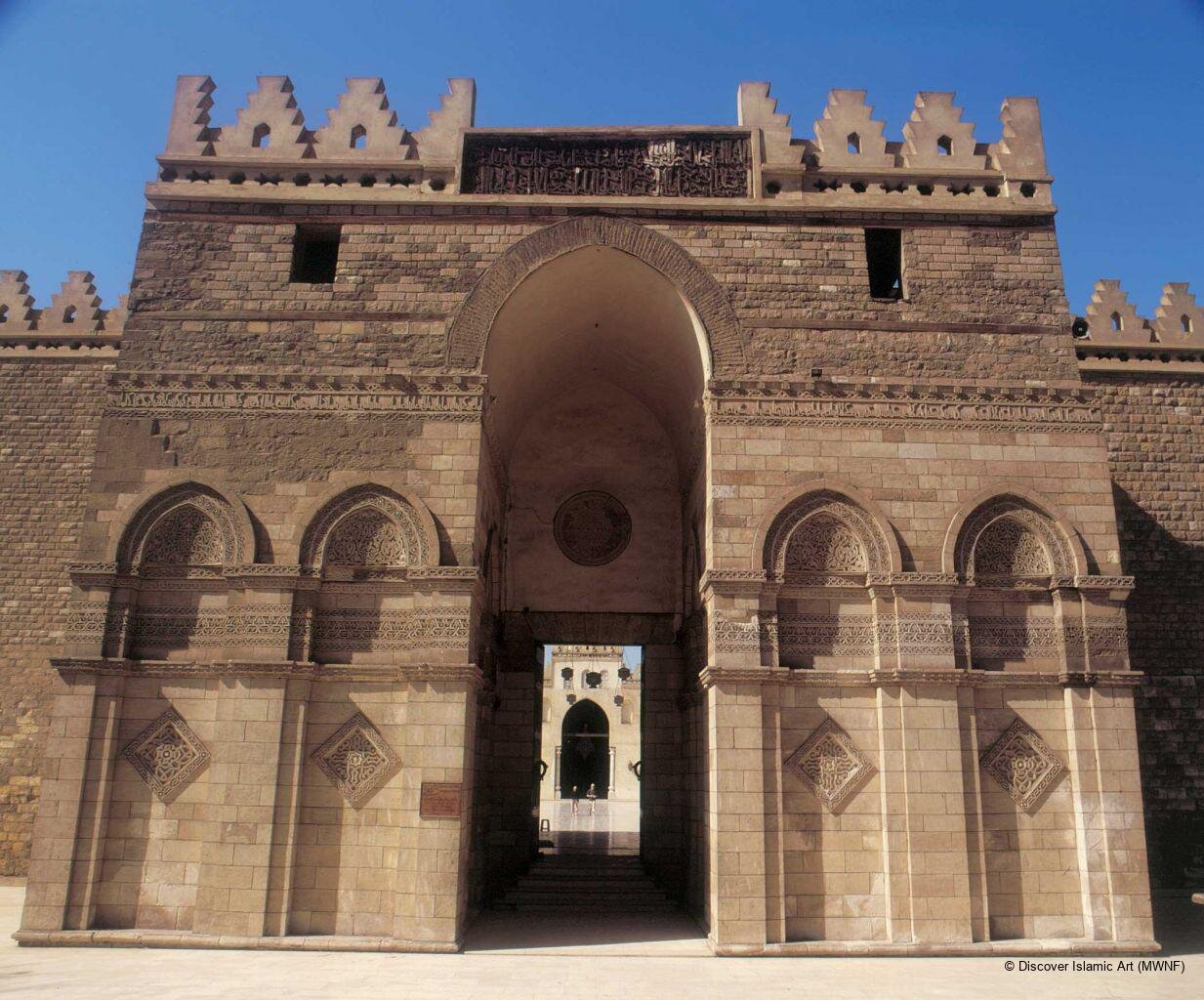
Constructed over 1,000 years ago, the Mosque of Al-Hakim, also known as, “the illuminated” was created during the Fatimid dynasty. Situated in Islamic Cairo, on the east side of Muizz Street, it is the fourth oldest mosque in Cairo but contains the oldest surviving minaret in Cairo. It was built by the ruler Al-Hakim bi_Amr Allah, “the ruler appointed by God,” who was notorious for his eccentric rule where he’d make up laws to benefit his political agenda and food cravings, using God’s decision as his reasoning. His personality can be seen in the architecture of the mosque with its distinct features and its grandiosity in size, making it the second largest mosque in Cairo. The mosque has a long and intriguing history, including its role as a barracks during the French campaign, when its minarets were utilized as watchtowers.

The Manial Palace was built by Prince Mohammed Ali Tewfik (1875-1955), between 1899 and 1929. It is situated on the Rhoda Island on the Nile River and designed in a style integrating traditional Islamic architecture styles including Ottoman, Moorish, and Persian. Be prepared to be awed by the level of detail and luxury of the Palace, every inch and corner has been carefully designed with a touch of luxury and grandiosity. Aside from sightseeing, it has become a global destination for ultra-luxurious events and weddings.
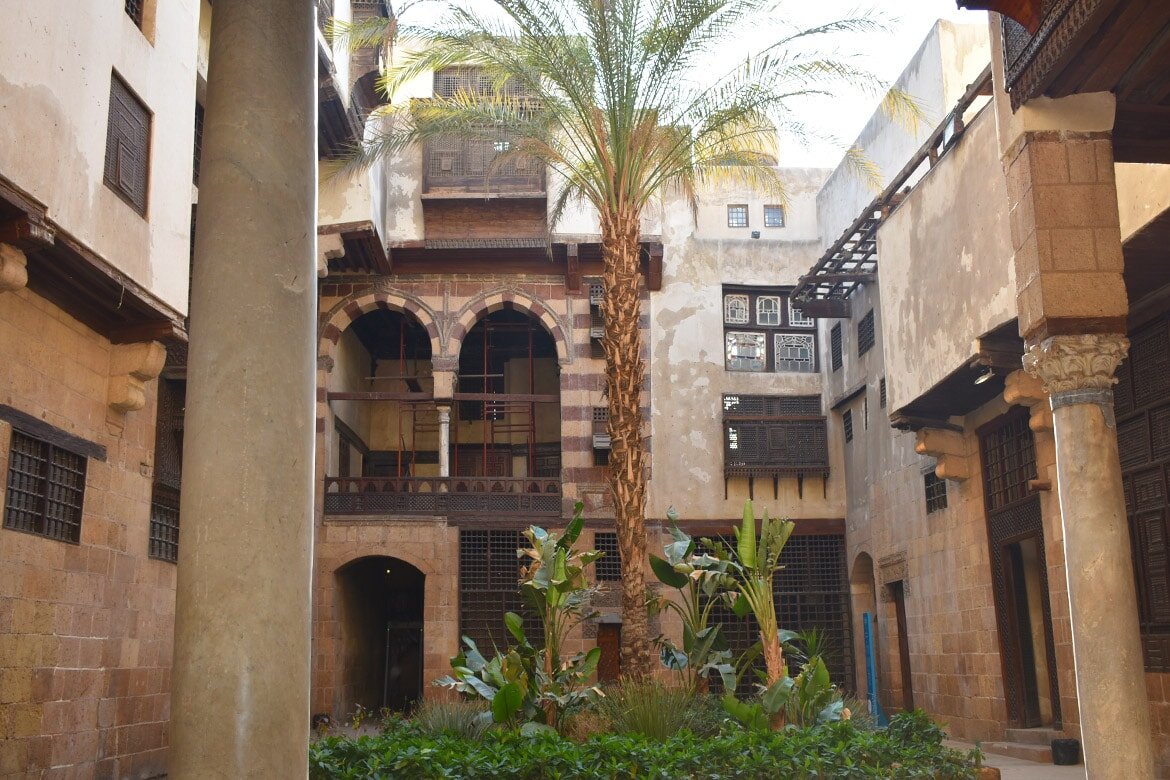
Built in the 17th century, Bayt Al-Suhaymi was one of the grandest houses on one of the most luxurious streets in Cairo. Located on Darb Al-Asfar (the Yellow Way) a few meters from Al-Muizz Street, also dubbed ‘The Palace Walk’ due to the luxurious palaces built by the wealthy on this street, Bayt Al-Suhaymi is a beautiful example of medieval Cairo’s finest non-monumental architecture during the Ottoman period and is truly a sight to be seen.

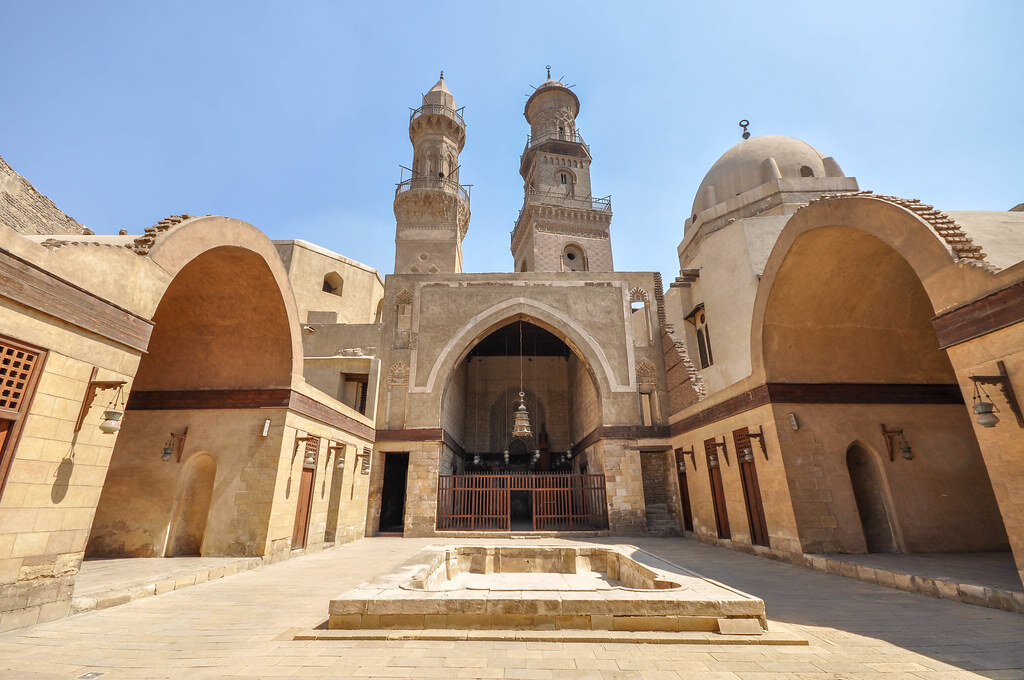
Built in 1284 by Sultan Al Mansur Qalawun, the Qalawun Complex is at the heart of Islamic Cairo featuring three unique buildings displaying Mamluk style architecture. The Complex houses a mauristan (clinic), a Madrasa-style Mosque (educational institution), and Qalawun’s famous Mausoleum. The highlight of the complex is the mausoleum which is regarded as one of the most beautiful buildings across the Muslim world and was considered a competitor to the famous Indian Taj Mahal. The octagon shaped building is decorated with colored glass dressed in arabesque designs that is a sight to see when light goes through the center dome.
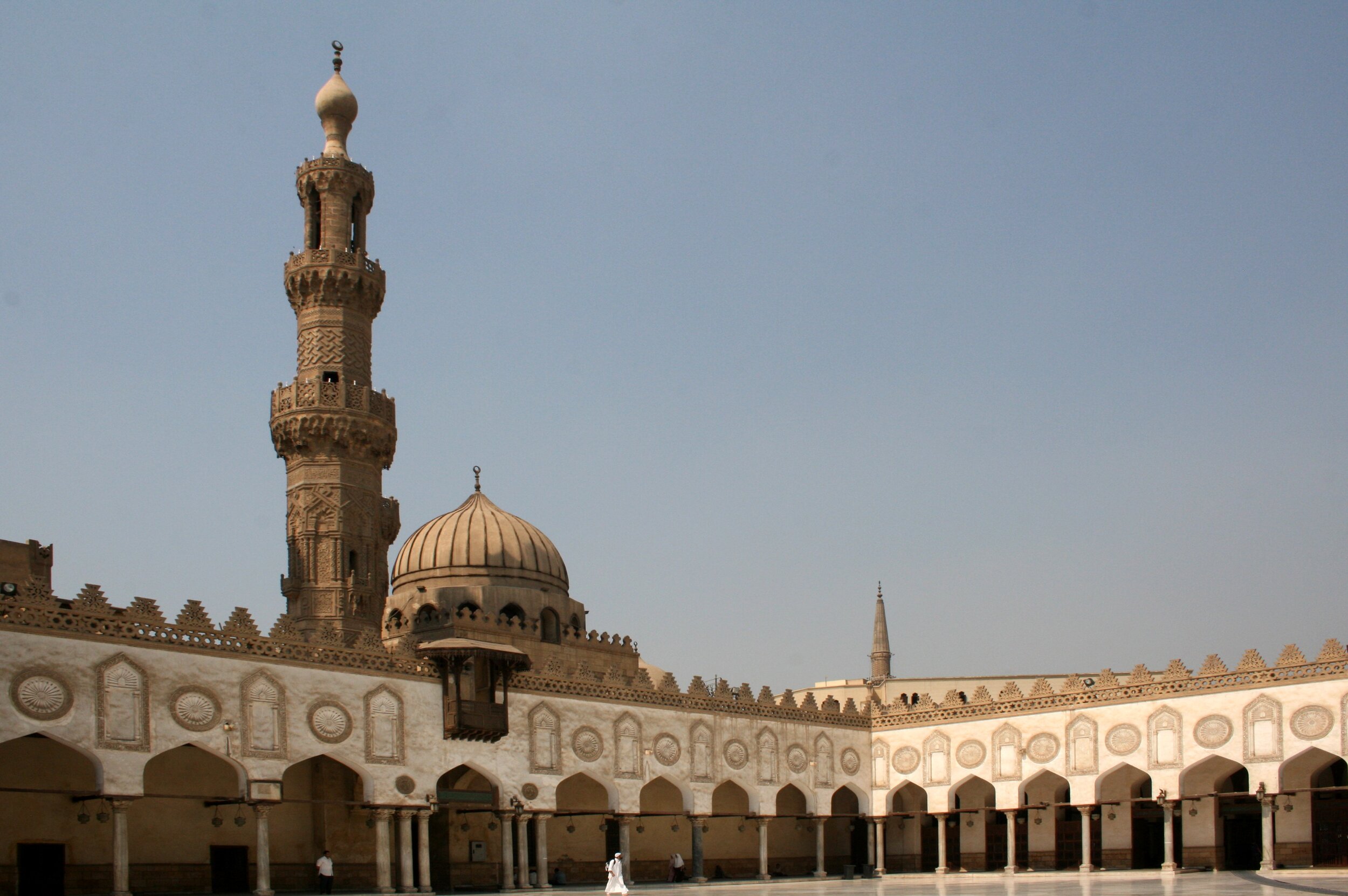
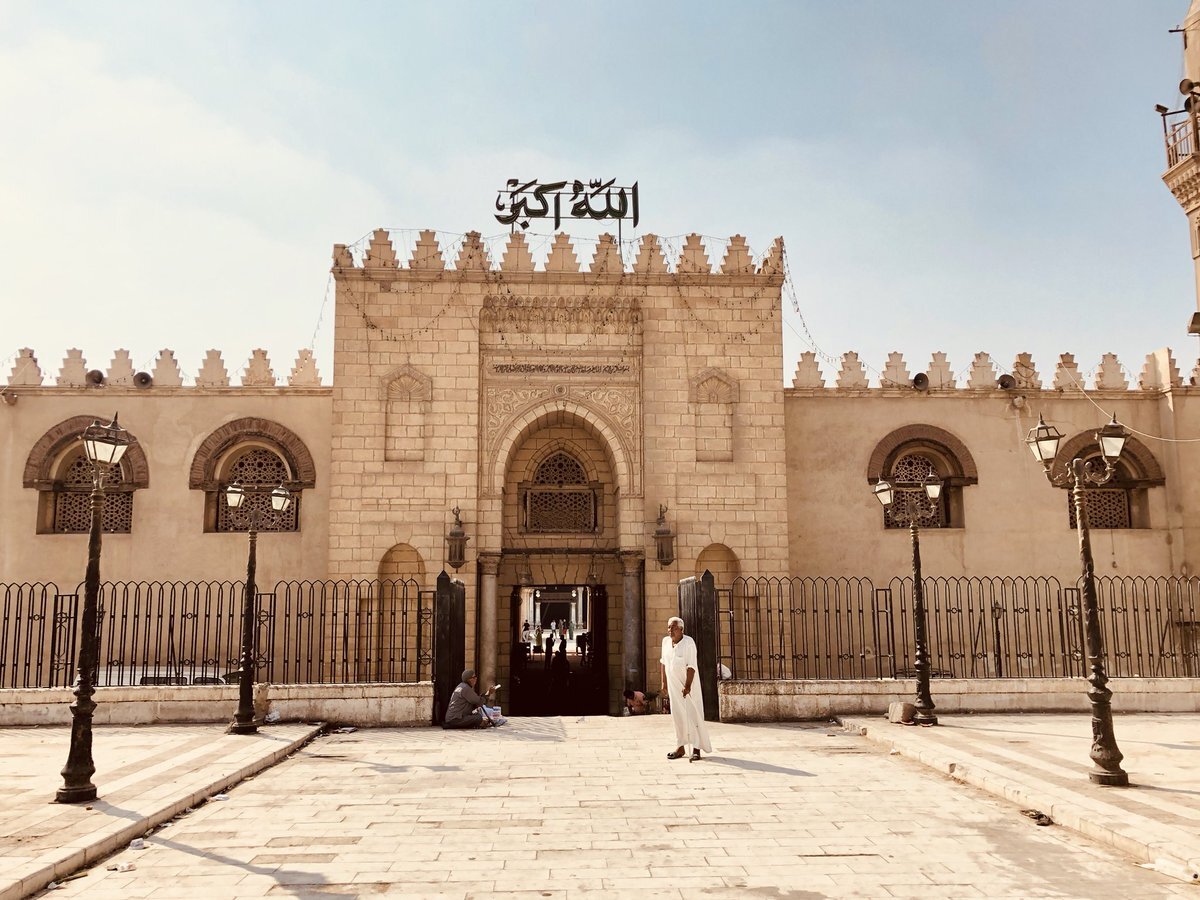
Founded in 642 AD, the mosque of Amr Ibn Al-Aas carries heavy significance to the existence of Islam in Egypt. General Amr Ibn Al-Aas was the first to introduce Islam to Egypt. This event is marked by the building of this mosque, originally built using palm trunks, mud-brick, and palm leaves; this building was renovated in 1875 to restore its permanent form. A small number of the original architraves remain today and can be viewed along the mosque’s southern wall. Despite the renovation of the mosque, the historical significance of the first Muslim settlement in Egypt and the very first mosque in the continent of Africa is a sight to behold.
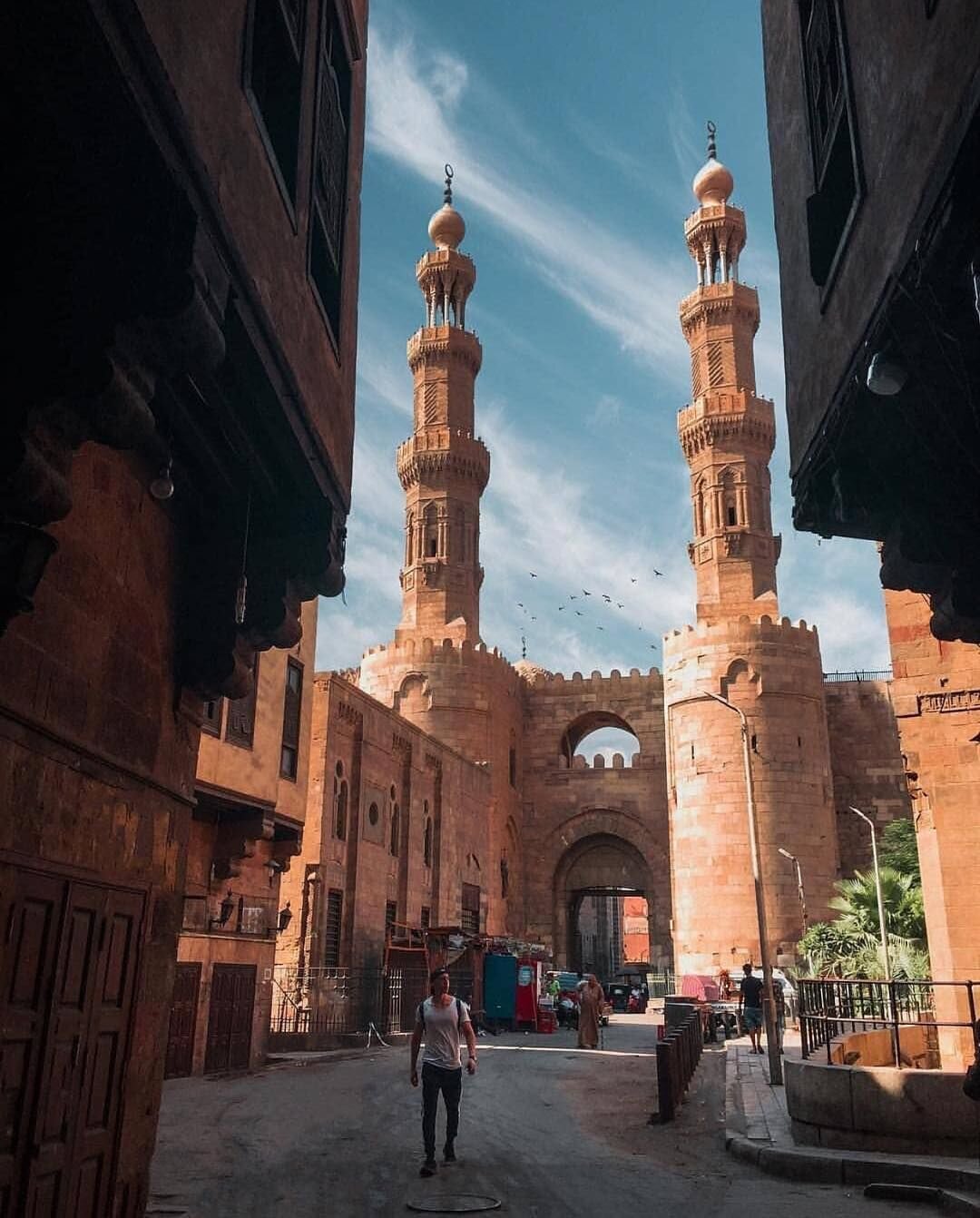
Built in 1412 CE the Sultan al-Mu'ayyad Mosque and its protecting gate Bab Zuweila reflect an inspiring story of Sultan Al- Mu’yyad. Mu’yyad was previously imprisoned and tortured by the previous Sultan in the same place where the mosque is currently located. He vowed that when he was free that he would turn this place into a place of worship. Just as he vowed, when he was freed, he overthrew the previous Sultan and kept to his word, creating a beautiful mosque with twin minarets that offer a unique photo opportunity. Bab Zuweila, which is the protecting southern gate, offers beautiful pharaonic inscriptions recycled from old temples and can be climbed all the way to the top where a beautiful view of Islamic Cairo can be seen.
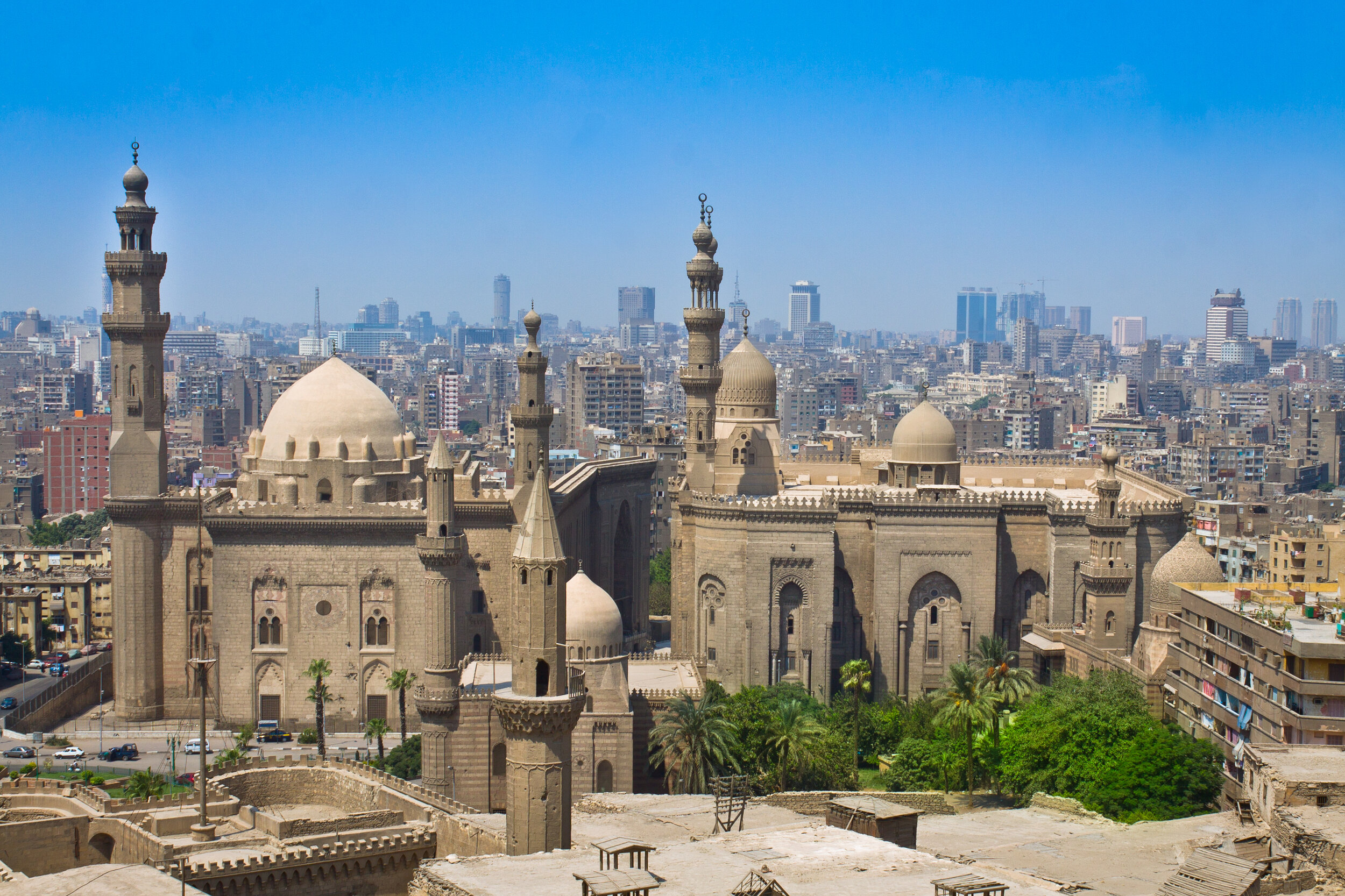
Built in 1365 AD the Sultan Hasan Mosque was well known for its beautiful design and large imposing figure back when it was built. The mosque was built as a madrasa style mosque for teaching and has a large liwan (teaching area) as well as a beautiful mausoleum featuring an impressive dome and is beautifully decorated. The mosque is noted as the most stylistically coherent of any of Cairo’s monumental mosques.
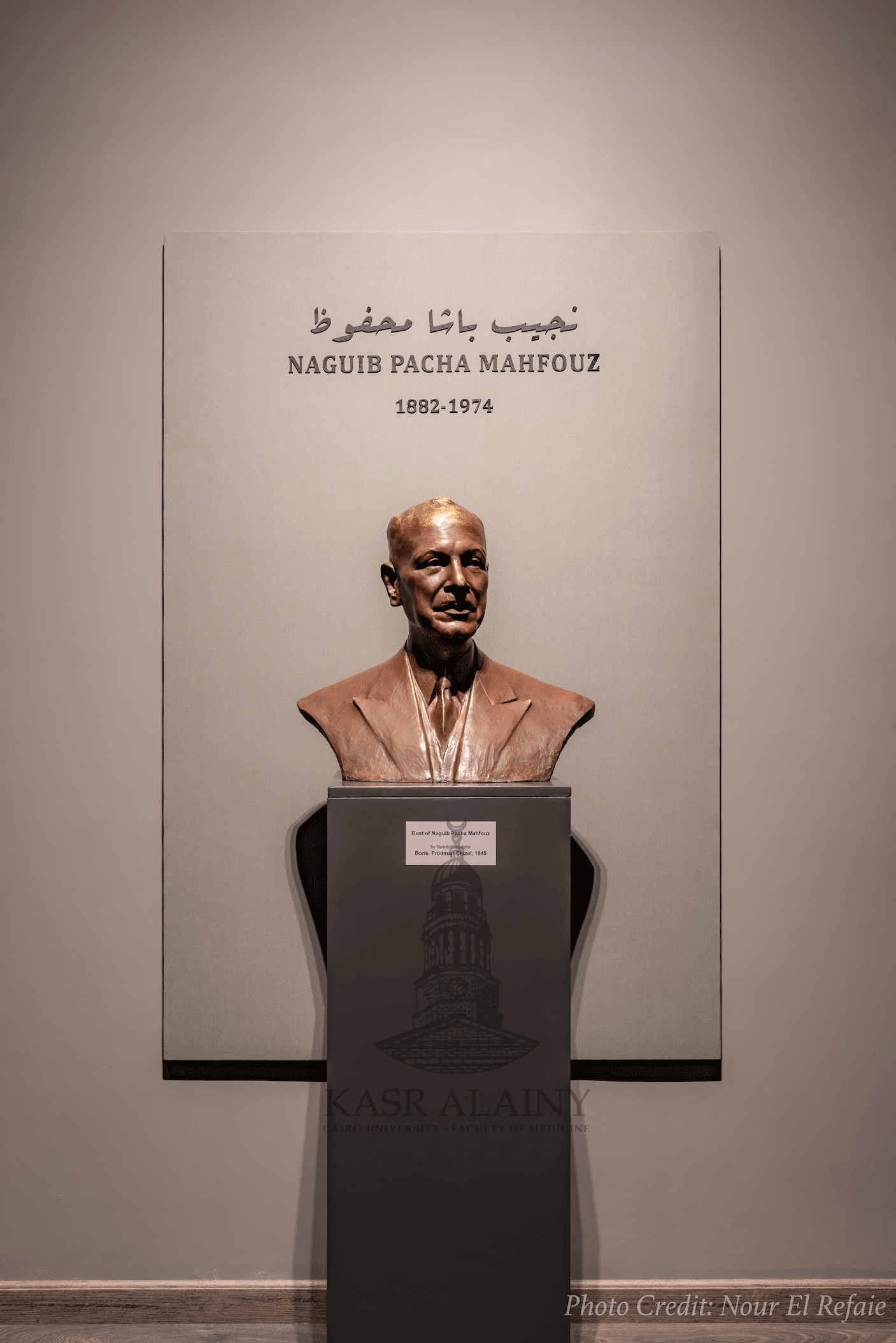
First inaugurated in 1932, the Naguib Pasha Mahfouz Museum (not to be confused with Egypt’s Nobel prize-winning writer) at Kasr El Ainy Medical School houses a unique collection of obstetrical and gynecological specimens of outstanding scientific and medical value. These specimens cover a large range of common and rare obstetrical and gynecological conditions. The museum caters for the needs of lay non-specialized individuals and members of non-governmental organizations concerned with the advancement of women’s health and wellbeing.

This historic palace and museum, built by a Mamluk ruler in the 14th century remains remains nearly complete in its original form. The palace is a beautiful example of Islamic architecture, but is unique in its structure with its window screens and stained-glass windows gilded with painted wood panels. The most impressive surviving part of the palace is the large qa'a or reception hall. The hall features a coffered wooden ceiling, stucco windows of coloured glass, and a fountain of inlaid marble in the centre. This palace is also home to the Arab Singing House, one of Cairo's creativity centers that has preserved and revived the Egyptian musical heritage.

Populary referred to as the Golden House, because it belonged to the chief of the gold merchants in Cairo during the 17th century. This luxurious mansion is a charming example of marvelous Mamluk architecture. The highlights of this medieval house is the central fountain and the finely decorated door that remain in its original condition. This is a hidden gem, it doesn't attract much attention because its exterior appearance is average, but once you walk inside you will be blown away by its rich interiors.
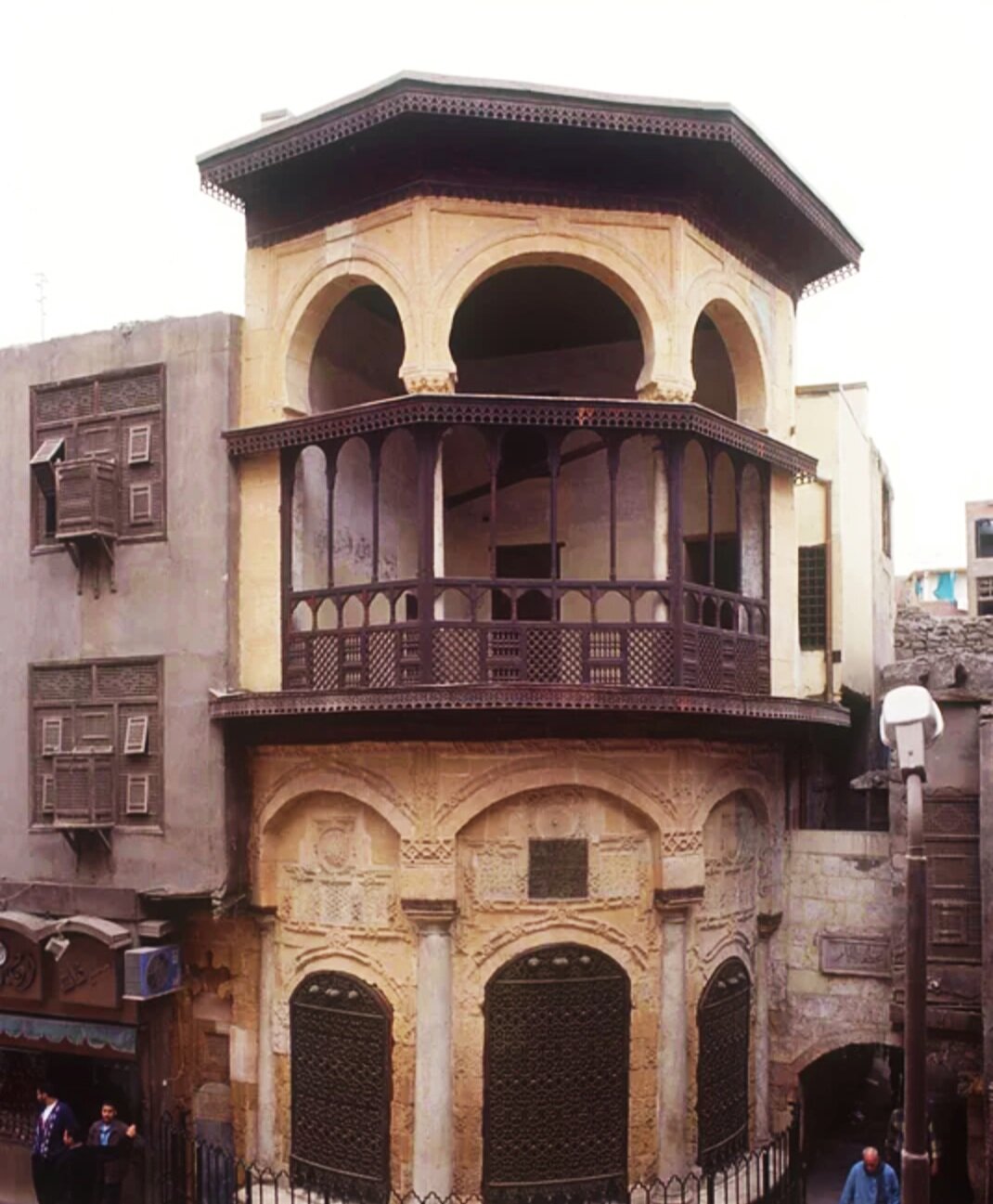
A hidden and overlooked gem in the middle of the busy Sugar Street in Old Cairo is this Ottoman building that dates back to 1796. It was built by a lady popularly known as "The White Jewel" who began her life as a slave but married a man who would become the first Mamluk ruler, she'd rise to power and partake in the resistance against Napoleon's invasion of Egypt. She was known for her acts of charity and her building, of a type unique to Cairo, originally housed charities offering free elementary education and drinking water, the water supply system remains an interest to architects. This building includes a permanent exhibition includes displays that harmonise with the historic interiors.
Coptic Cairo is a unique part of Old Cairo that hosts multiple churches and historical sites that relate to Coptic Orthodox Christianity. The most famous and oldest church is the Hanging Church, built on top of the Roman’s Babylon Fortress. The church is significant due to it being the first church built in the Roman basilica style, containing influences of Islamic art due to its temporary conversion to a mosque, and being the site of several reported Marian apparitions. Beside the church is the Coptic Museum, which holds the largest collection of Coptic Christian artwork and artifacts in the world.