

Aswan: The Magical Paradise of Nubia
Aswan, the beauty of this magical Nubian land is unmatched. Everywhere you look will seem like a colorful painting, whether it's the natural scenery or the beautiful architecture. Aswan will feel like a dream with its heavenly atmosphere.
Learn more about Aswan

The world-famous and uniquely designed double temple deliberately dedicated to two different deities gods, a one-of-a-kind phenomena in Egypt. The two gods are, crocodile god Sobek, god of fertility and creator of the world, and the falcon god Haroeris. An engineering mystery due to the double temple being completely symmetrical when it was built, you'll capture the ambience of this glorious history when you walk through the temples grand colonnades.

The unfinished obelisk is the largest known ancient obelisk in the world, a 3,500 year old marvel of Ancient Egyptian engineering that would have measured about 137 feet (42 meters) if completed and is estimated to weigh around 1,200 tons! Located amongst the magnificent Aswan quarries, this mammoth monument carved directly out of bedrock functions as as an open-air museum that gives great insight into the construction techniques. It’s the only tower-like structure in the world that you can actually walk on!

The Wadi which literally translates to, “the valley of the lions” is the site of two New Kingdom temples in Aswan. A long line of ancient sphinxes welcomes you to the entrance of the temple where you can experience the magnificence of ancient Egypt. Both the temples still stand and are lathered with some of the most beautiful ancient Egyptian art in the whole country. The temples were also later used as churches during the Greek/Roman times.


The Mausoleum which houses the body of Sir Sultan Muhammad Shah, the Aga Khan, sits at the top of a hill in the west bank of the Nile and is designed to mimic Fatimid Egyptian architecture. This is due to the deep connection of the Aga Khan’s family to Egypt, being formerly the center of power of the Muslim Shia faith in the past. To this day, a red rose is laid on the Aga Khan’s body every day.


Nestled on an island between the two banks of the Nile, the hotel has always been a favorite for many diplomatic guests and historical figures. Whether it's Winston Churchill, Tsar Nicholas II, or Princess Diana; the hotel’s magnificent views have always attracted some of the world’s most prominent figures. It is an experience to behold, to walk in the same footsteps as those men and women that shaped our modern world.

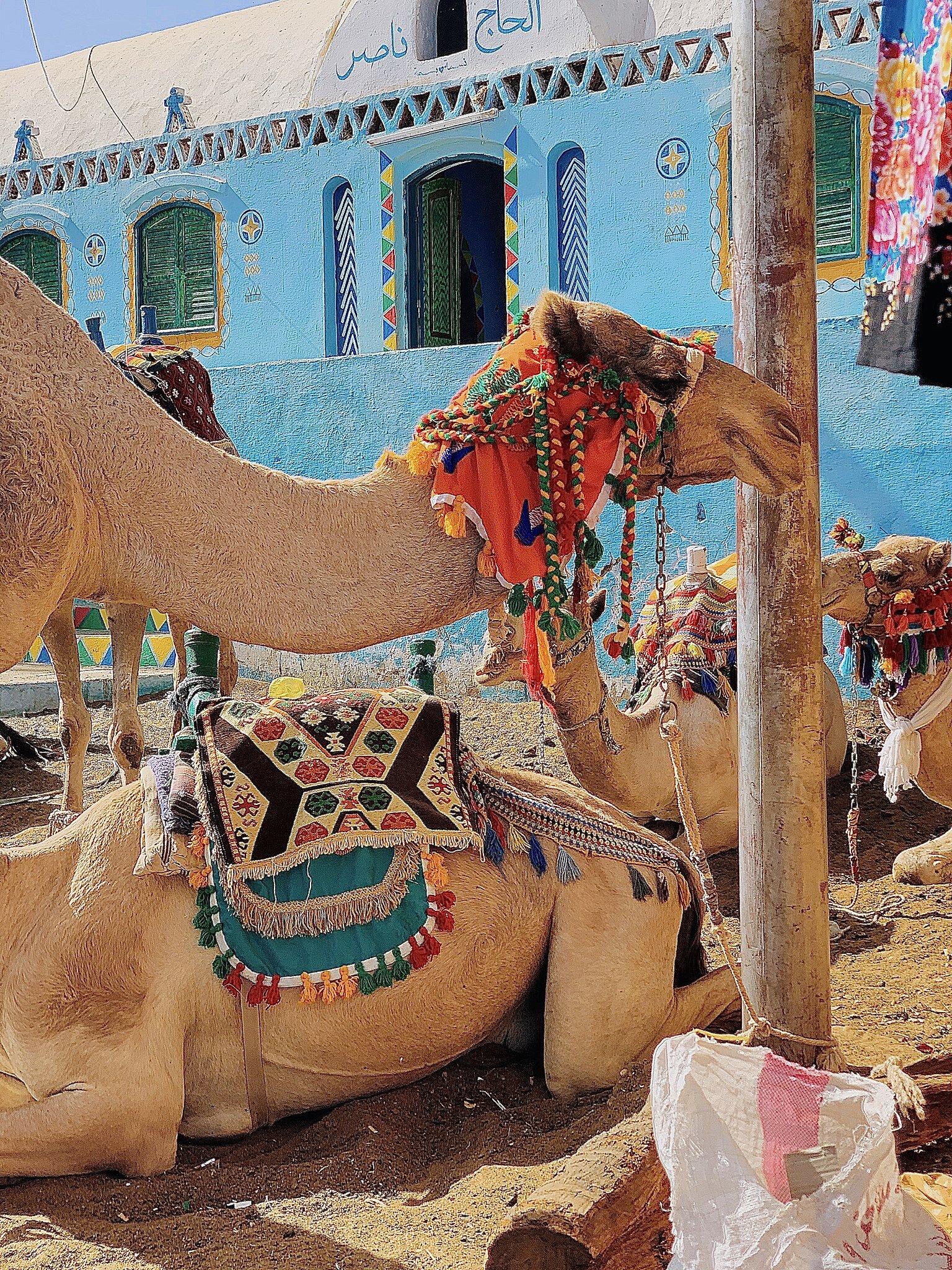
A relaxing camel ride by Nile’s west bank is a must for all those who visit Aswan. Whether it's during the sunrise or the sunset, a slow stroll with your loved ones by the glistening waters of the Nile is simply an experience that transcends the soul. The contrast between the barren desert and magnificent greenery serves as a reminder of the Nile's capacity to provide life for all Egyptians.
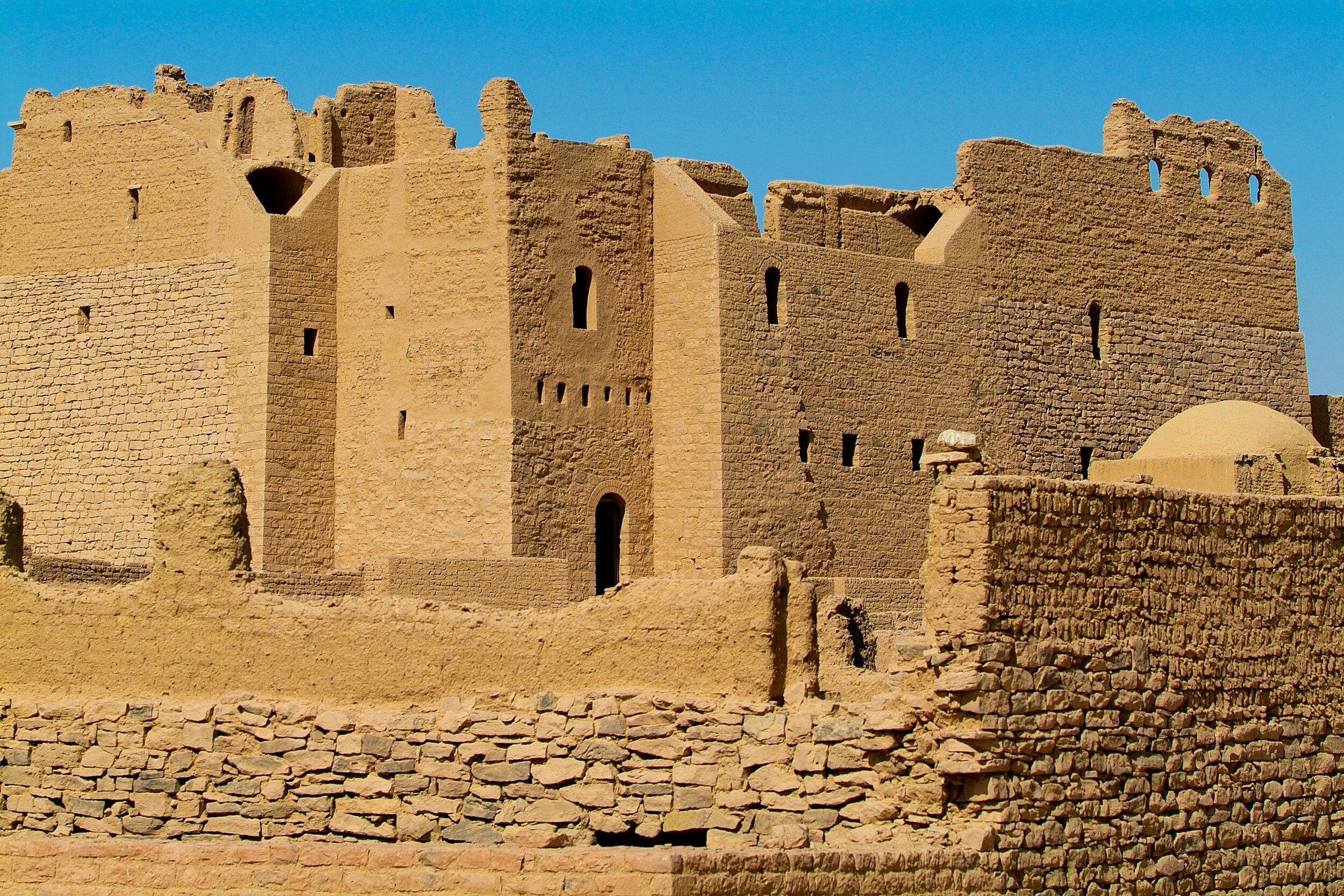
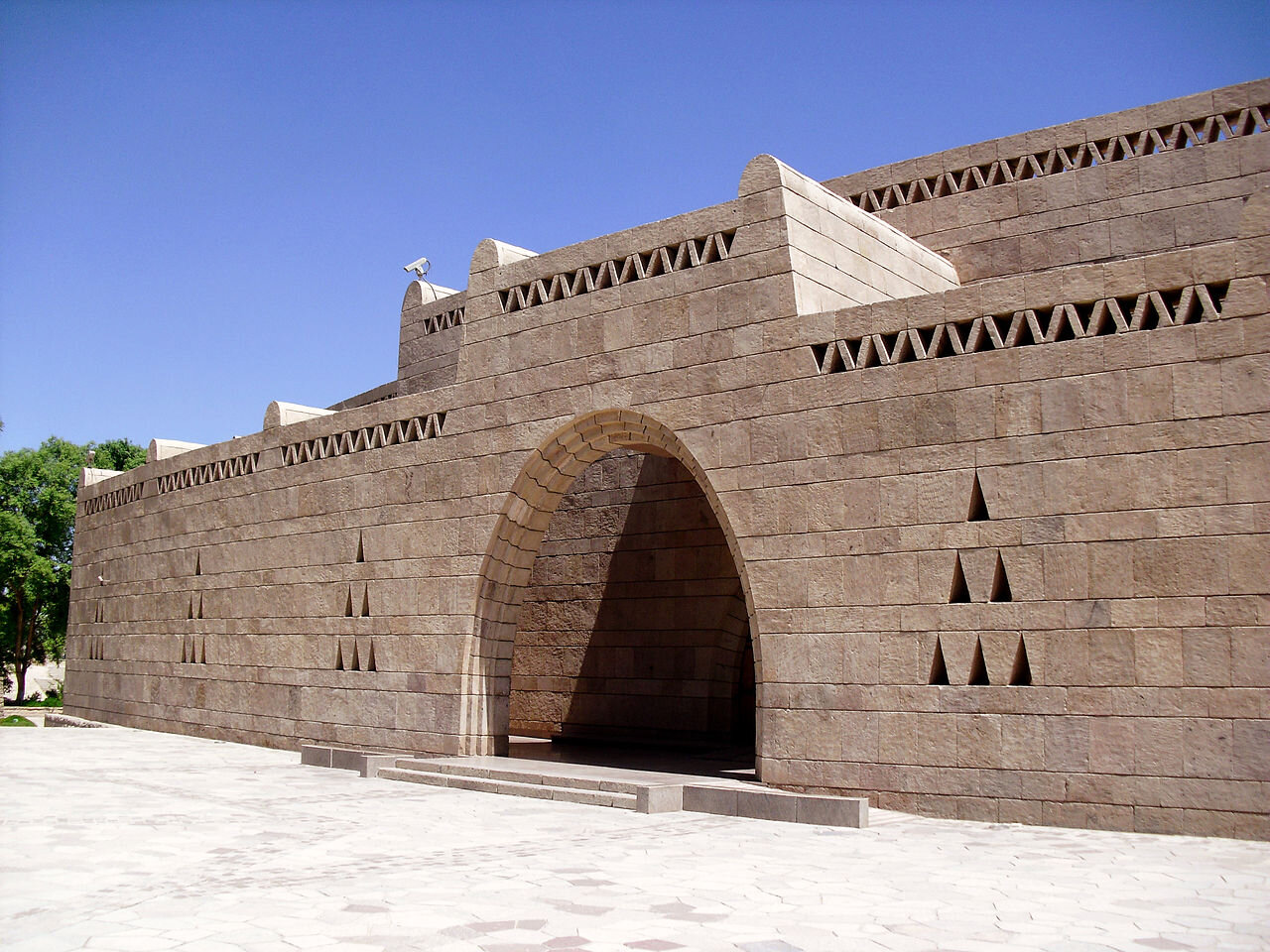
Opened in 1997, the Nubian Museum is a tribute to the culture, history, and influence of the Nubian people on the history of Egypt. Three thousand pieces of Egyptian antiquity can be found in the museum including Nubian artifacts from the pharaonic, Coptic, and Islamic eras. Bordering Sudan, the building of the High Dam submerged the heartland of Nubia, forcing over 10,000 Nubians to relocate. The museum serves the purpose of venerating Nubian culture and civilization that has existed in tandem with the Egyptian one. Additionally, its purpose is to rectify some of this injustice, but also houses a collection of artifacts from the Nubian culture and offers insight on the development of the civilization along the southern Nile Valley all the way back to the pharaonic age. The museum is near the Fatimid Cemetery filled with small mausoleums and tombs belonging to local saints where locals go seeking blessings and where awe-inspiring stories can be heard.
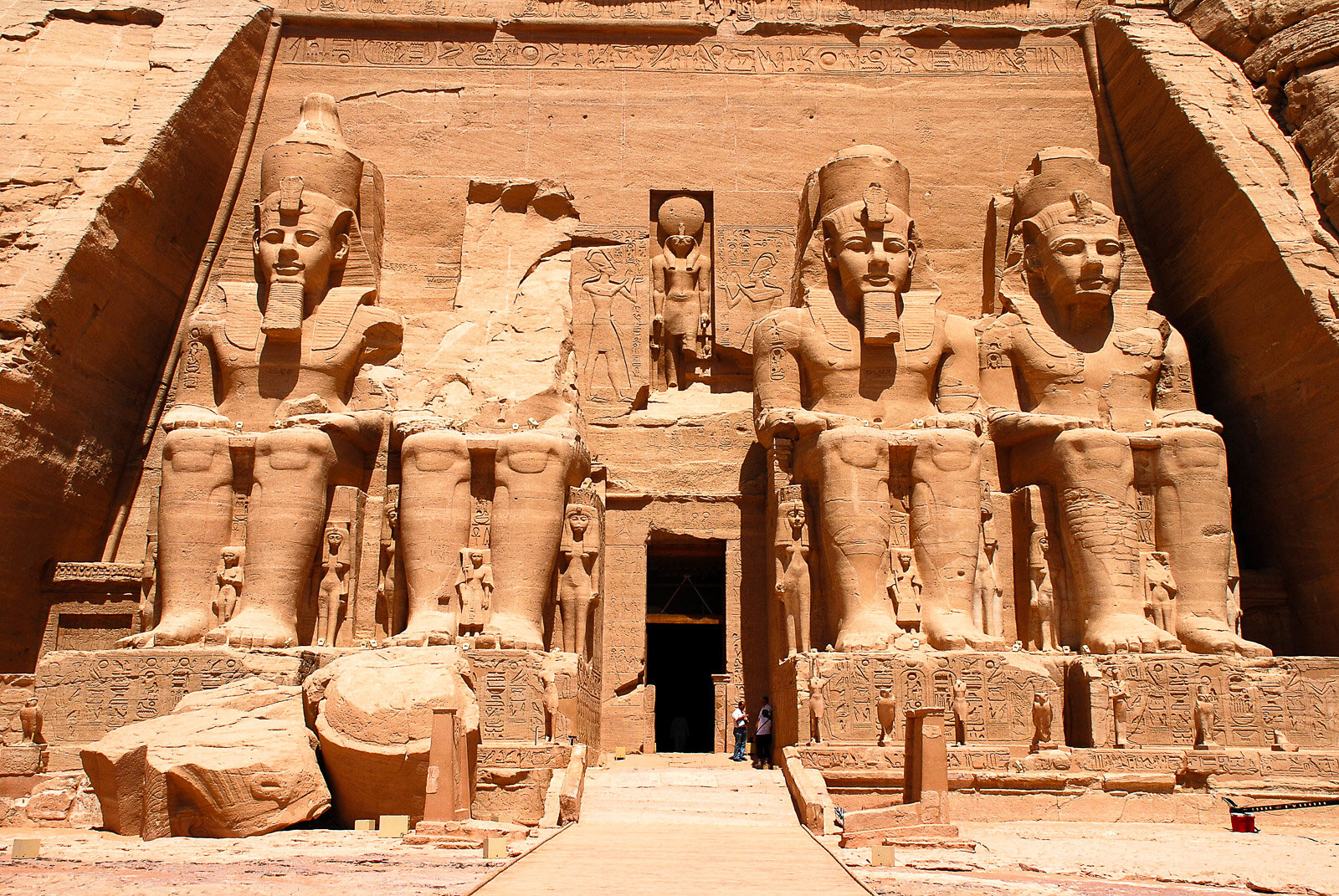
Located south of Aswan lies the Abu Simbel Temples, also known as the Twin Temples. These temples are the second most famous site in all of Egypt, after the Pyramids of Giza. Built by the greatest of the pharaohs, Ramses II, these temples were used to convey the power of Egypt when anyone laid their eyes on them. The four statues guarding the doorway to the larger of these temples are the largest sculptures that survive from the ancient Pharaonic era. The larger temple is dedicated to Ramses II and the smaller temple is dedicated to his wife, Queen Nefertiti. The ancient architects positioned the temple so that sunlight reached the room on February 22, the anniversary of his accession to the throne and on his birthday, October 22. On these two days, the sunlight floods the temple corridor creating a beautiful sight and people come to the temple to celebrate the power of the ancient Egyptians in a festival, aptly named the Sunlight Festival.
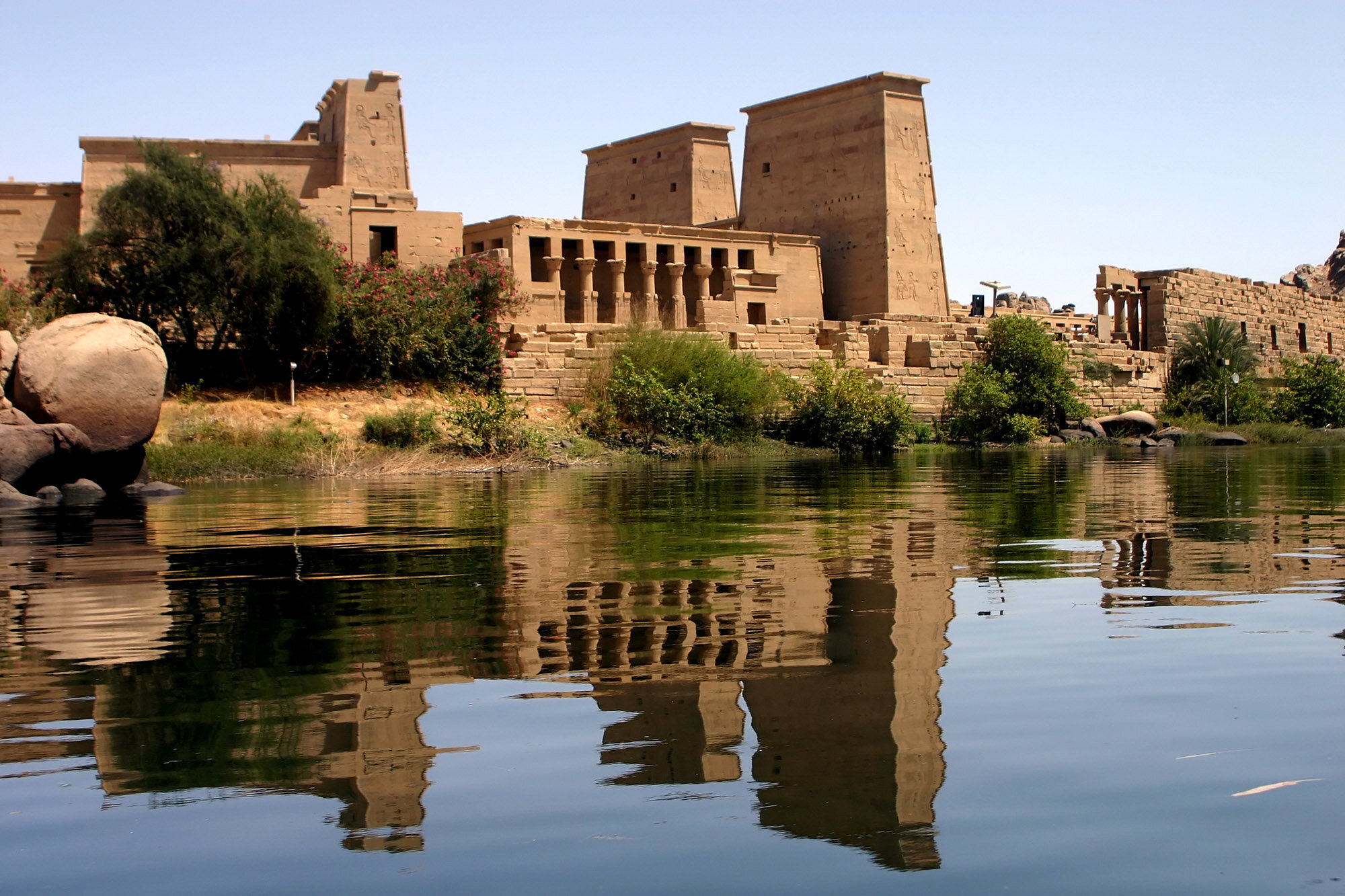
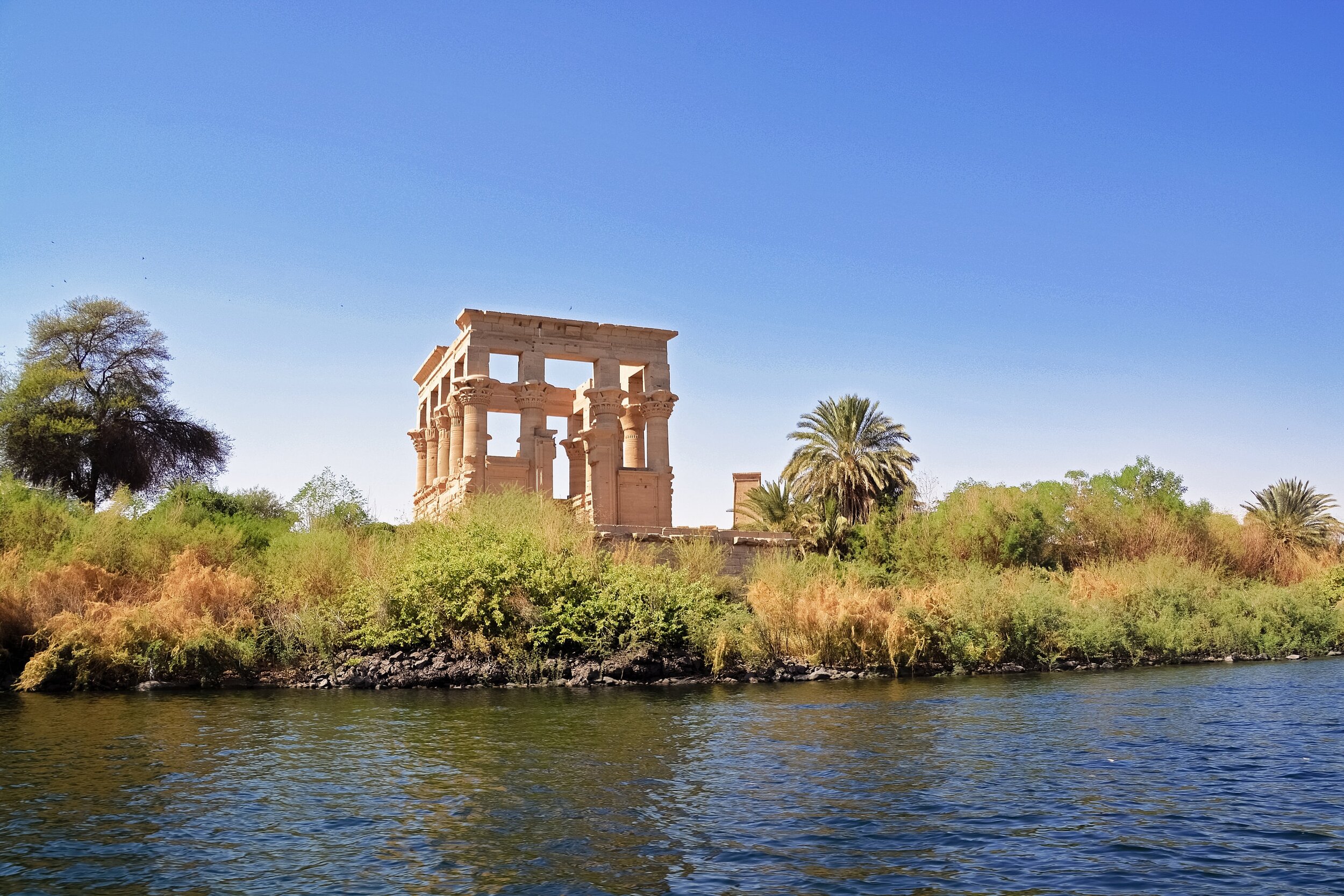
This beautiful temple complex is regarded as one of the most picturesque of temples in Egypt. Located on Agilkia Island close to the Aswan Dam, your adventure begins by riding a water taxi to get to the ruins. Once there, you can see the Temple of Isis as well as other smaller temples. These temples have a rich history going from being used as ancient Egyptian temples to churches later when Christianity came to Egypt. In the evenings you can enjoy the sound and light show at the Philae Temple, which is regarded as the best of the sound and light shows. The ambience of the island’s ruins and encompassing history is a must experience when visiting Aswan.
Dedicated to the god Horus, this temple is generally regarded to be the best-preserved of the Ancient Egyptian sanctuaries and is the second largest temple in Egypt. Interestingly, the ancient Egyptians believed that the temple was constructed on top of the location where the infamous battle of Horus and Seth took place. It was built by the Ptolemids between 237 and 57 BCE., but was buried under centuries of sand and silt until the 19th century!