

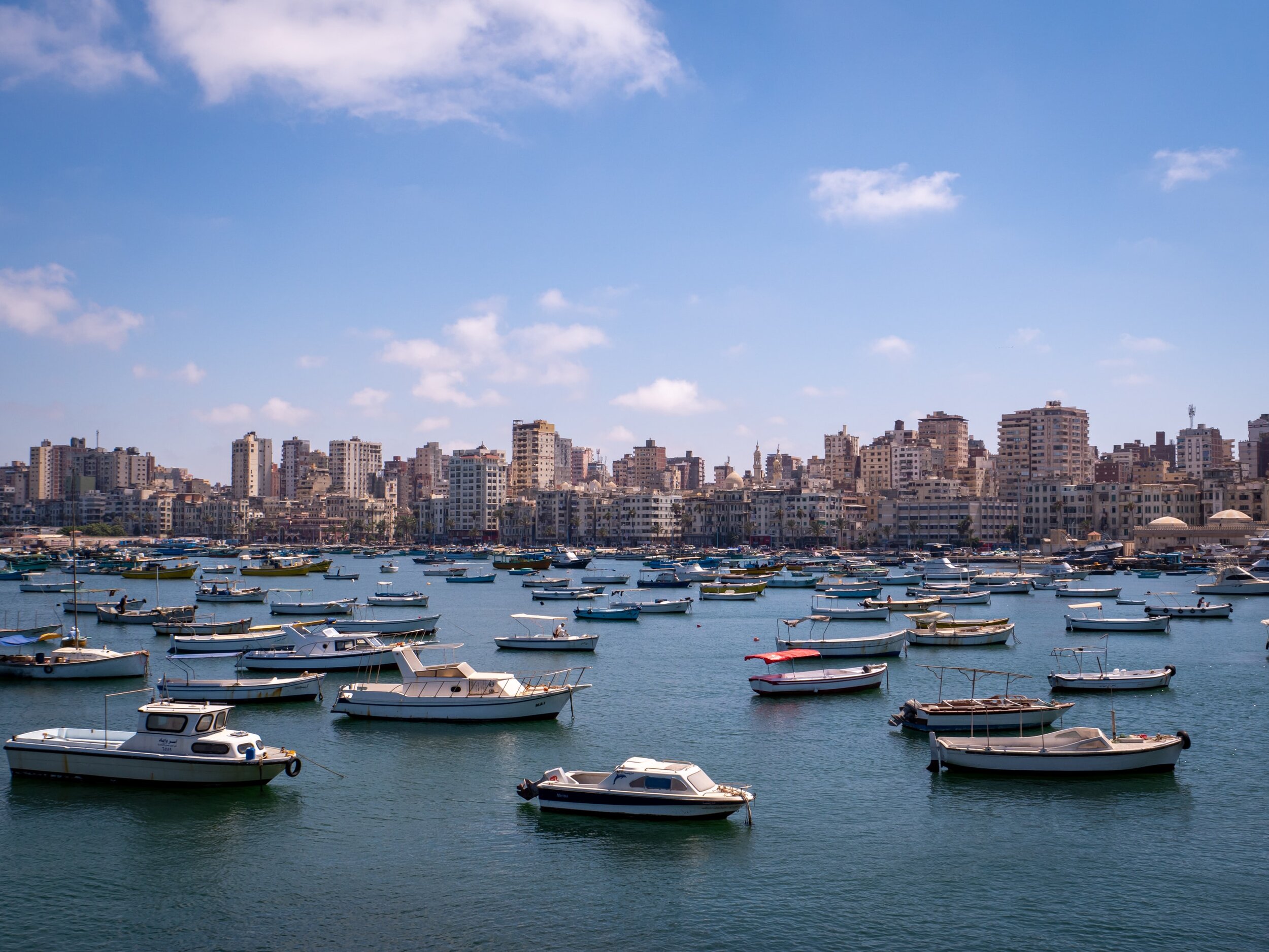
Alexandria: An Emperor’s Mediterranean Dream
Alexandria, named after Alexander, the Great. When he came to the shores of this city with a few fishermen after conquering much of the world, he said "this is where I'll build my city that I have always dreamed of." It became the city that's the source of freedom and charm every morning and mystery at night according to Nobel Prize-winning author Naguib Mahfouz.
Learn more about Alexandria
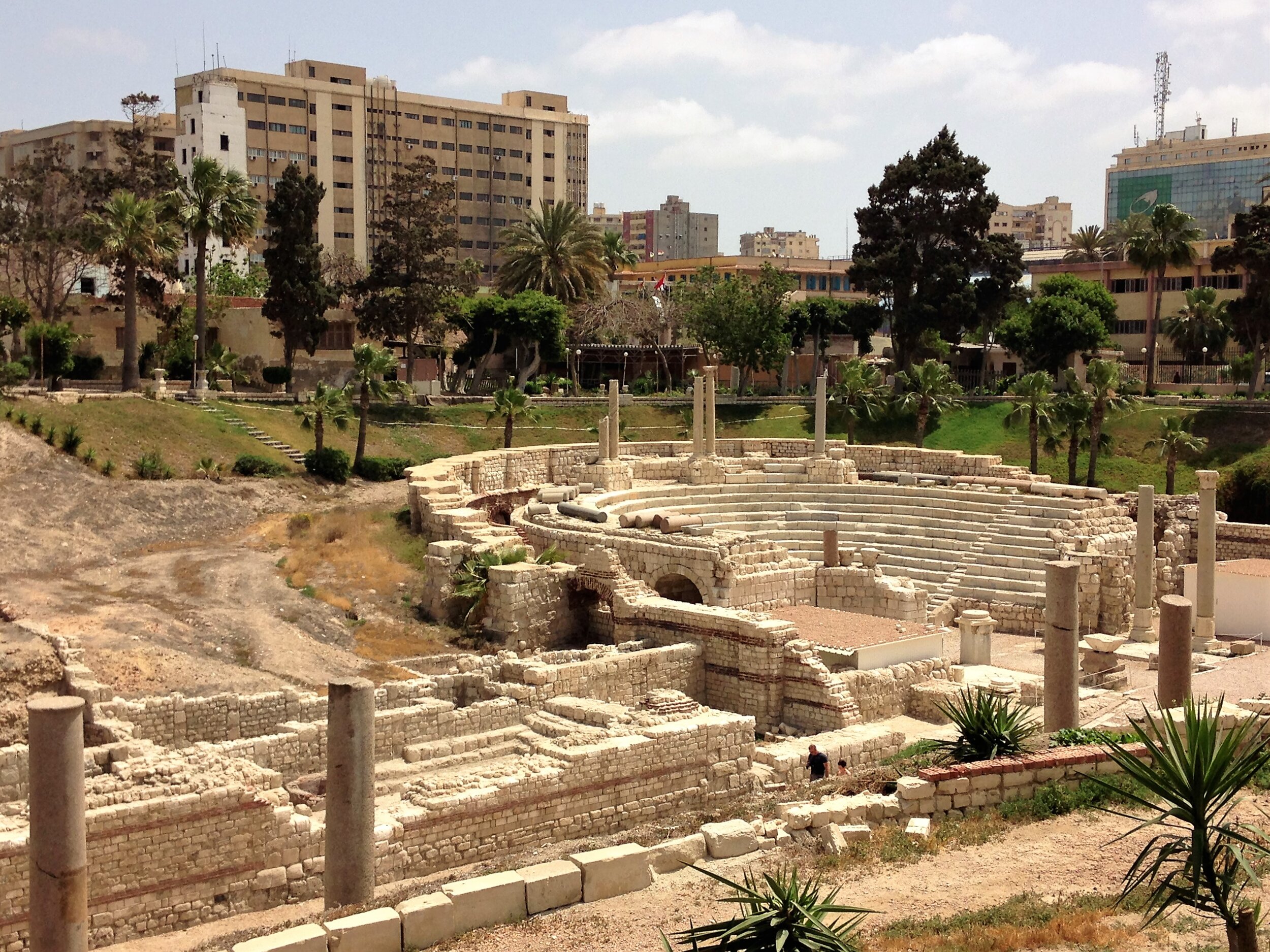
Located in central Alexandria, Kom el-Dikka, which translates to “mound of rubble”, was only recently discovered in the 1960s when the site was going to be cleared to build housing. The ruins uncovered a wide range of artifacts, ruins, and multiple structures. The best-preserved structure you can see is the Roman theater, but you can also view the remains of a Ptolemaic temple, a Roman bathhouse, and various Roman villas.
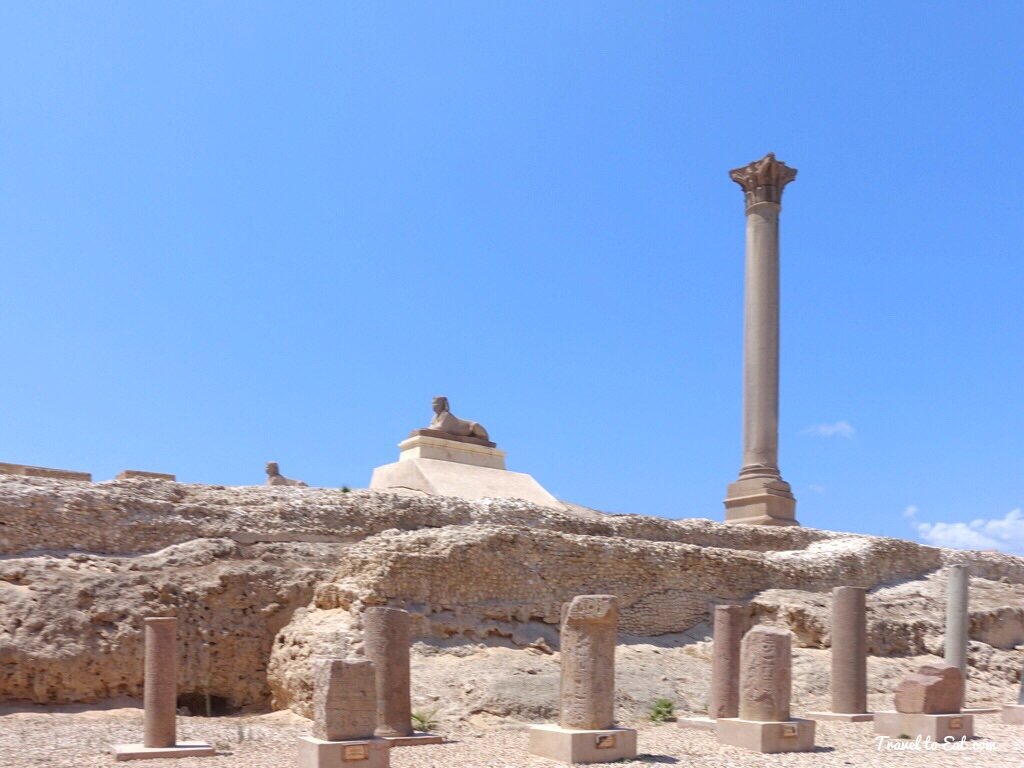
Near the Catacombs of Kom el-Shoqafa lies a pile of ruins with remnants of ancient walls, fragments, and rubble. Out of the ruins, the great Pompey’s Pillar rises 27 meters high towering over what used to be the famous Temple of Serapis. The pillar itself is made of red granite from Aswan and inside there is a staircase you can walk down into a substructure of chambers. It was actually built to honor the Roman Emperor Diocletian but is named Pompey's Pillar due to a historical misreading of the Greek dedicatory inscription on the base. Nevertheless, it stands grand as one of the largest ancient monoliths and one of the largest monolithic columns ever erected.It has been a historical destination in antiquity and history, being climbed by both legendary Muslim traveler Ibn Battuta in 1326 AD and Commander John Shortland of the British Navy in 1803.
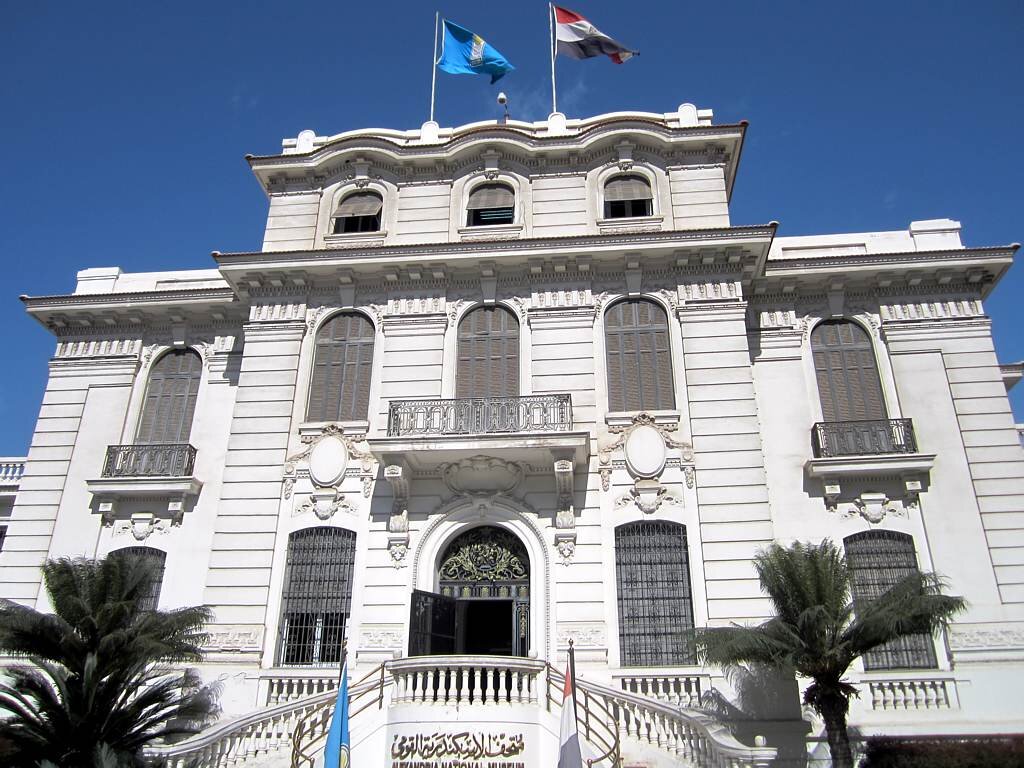
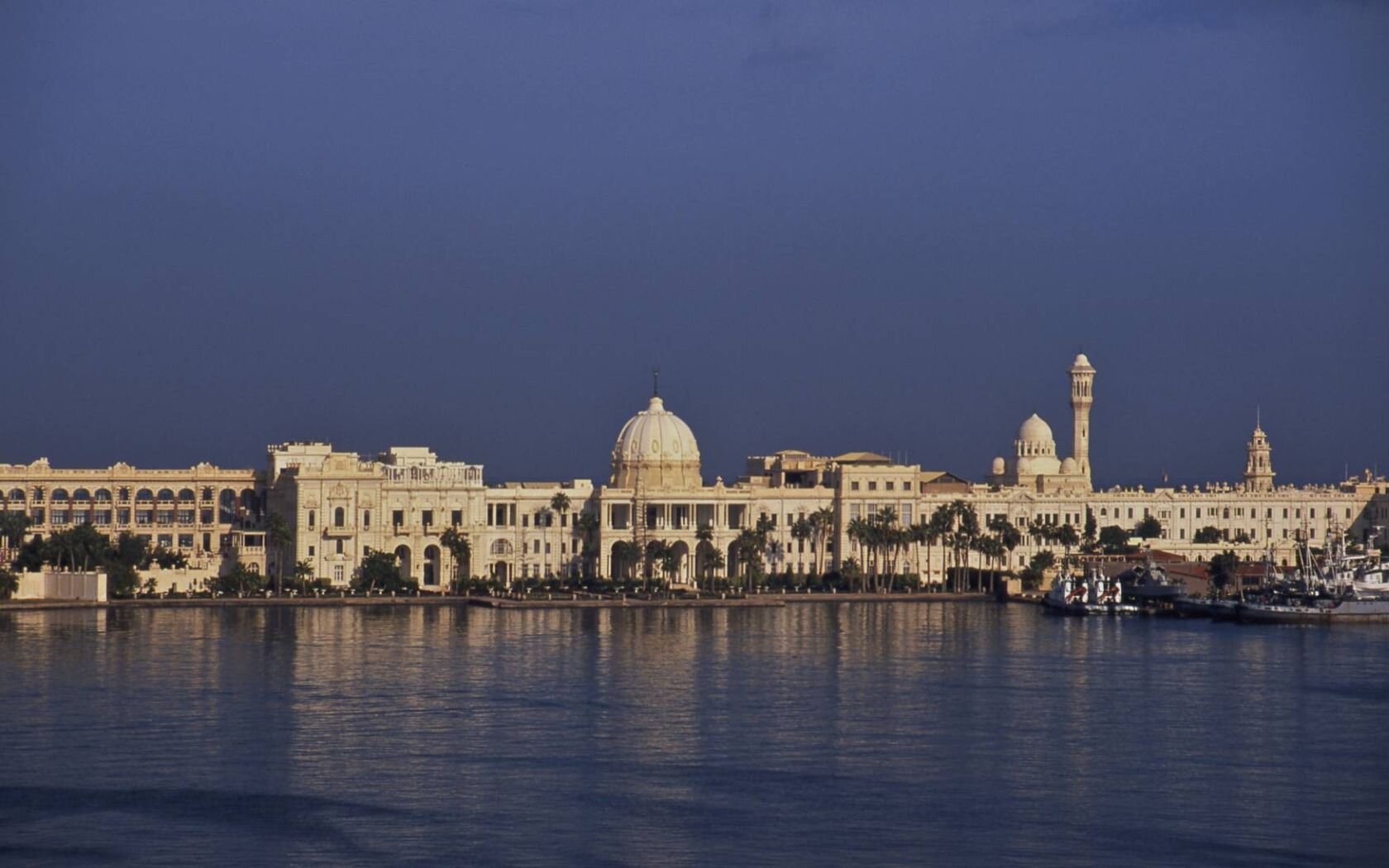
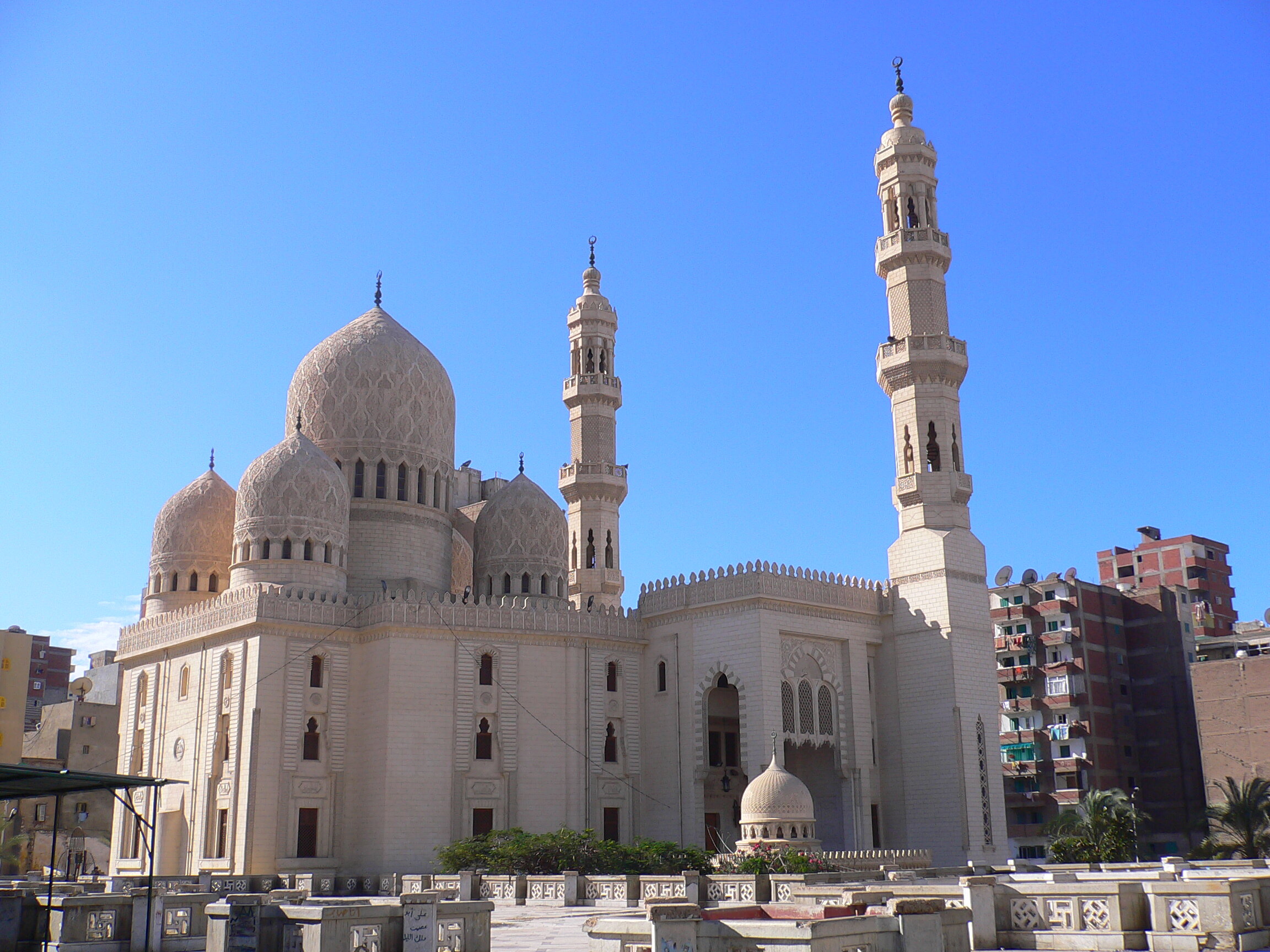

Built in Alexandria to represent all the different cultures and sieges that took place in the city, the Greco-Roman Museum is a small museum featuring artifacts from a fascinating period in Egyptian history where Greek, Roman, and Ancient Egyptian civilization all interacted here. Famous figures in history are all represented here such as Alexander the Great, Julius Caesar, Marc Anthony, and Cleopatra. You can also see the only existing replica of the Pharos Lighthouse (the Lighthouse of Alexandria) which was used to mark Alexandria’s harbor- the 2nd of the Seven Wonders of the Ancient World.
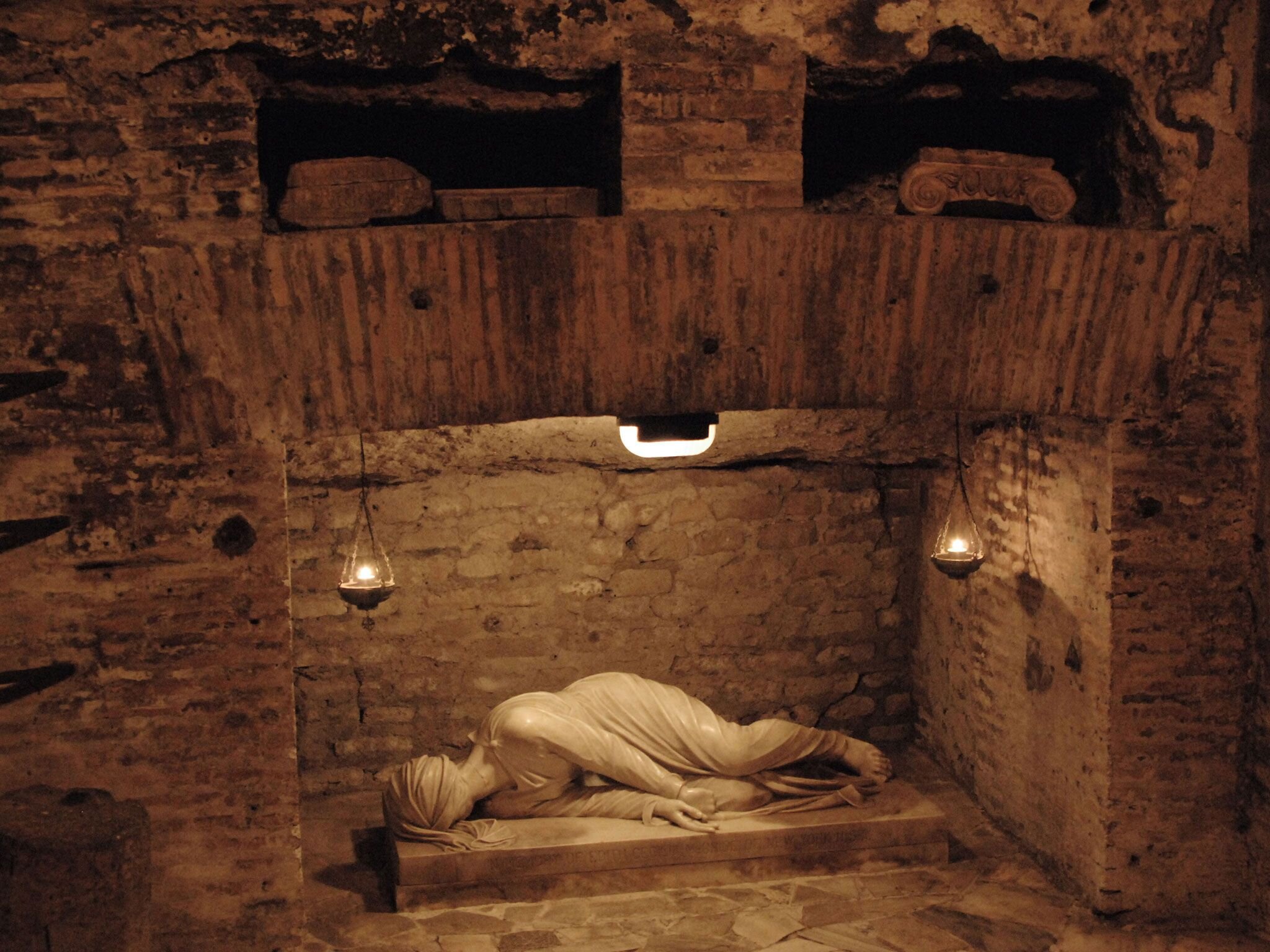
Used in the 2nd century, the Catacombs of Kom el-Shuqafa translates to “the mound of potshards”, referring to the broken dishes and plates that marked the area before the tombs were discovered below. The tombs are extensively decorated and are regarded as “One of the Seven Wonders of the Middle Ages”, organized around a central spiral staircase that can take you to multiple levels. Tombs are uniquely covered in carved figures that combine the forms of ancient Egyptian gods with Roman and Greek dress or creatures from Greek and Roman mythology.

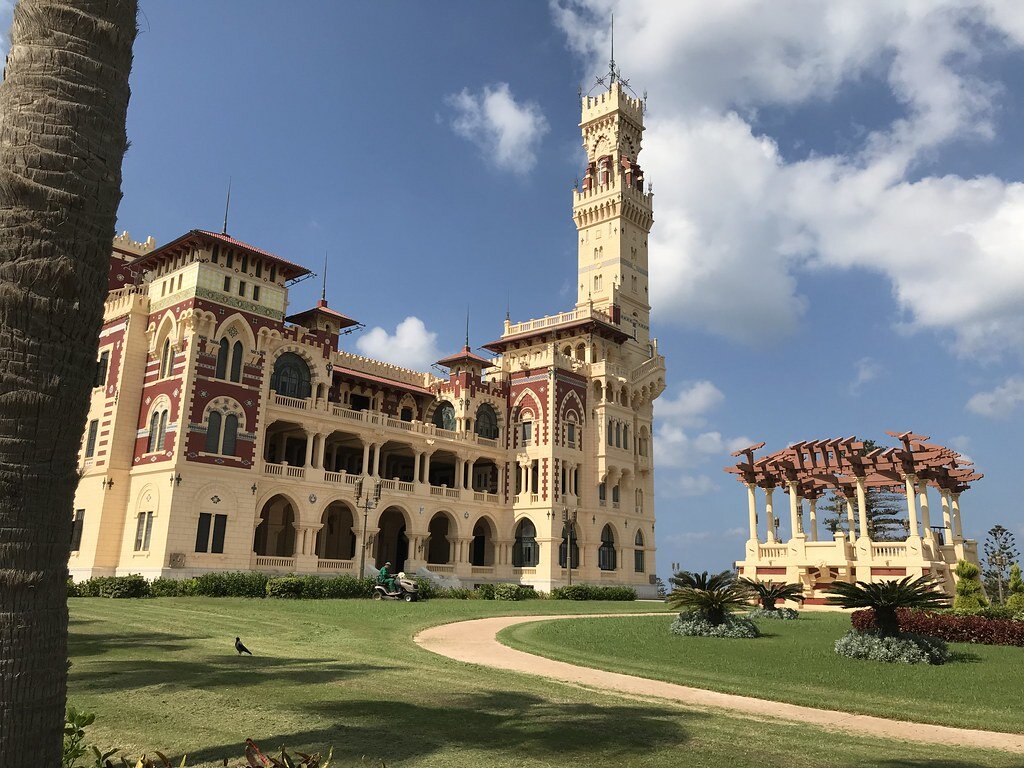
Constantine Cavafy was a Greek Alexandrian poet who spent his life working as a journalist and civil servant. His poetry encapsulated the rich history of Alexandria’s Hellenistic origins, and his poems did not gain the recognition it deserved until after he passed away. Dedicated to Constantine Cavafy, the Cavafy Museum highlights some of his most important works and correspondences.